


Soft Washing vs. High Pressure: Roof Maintenance
Maintaining Roof Surfaces
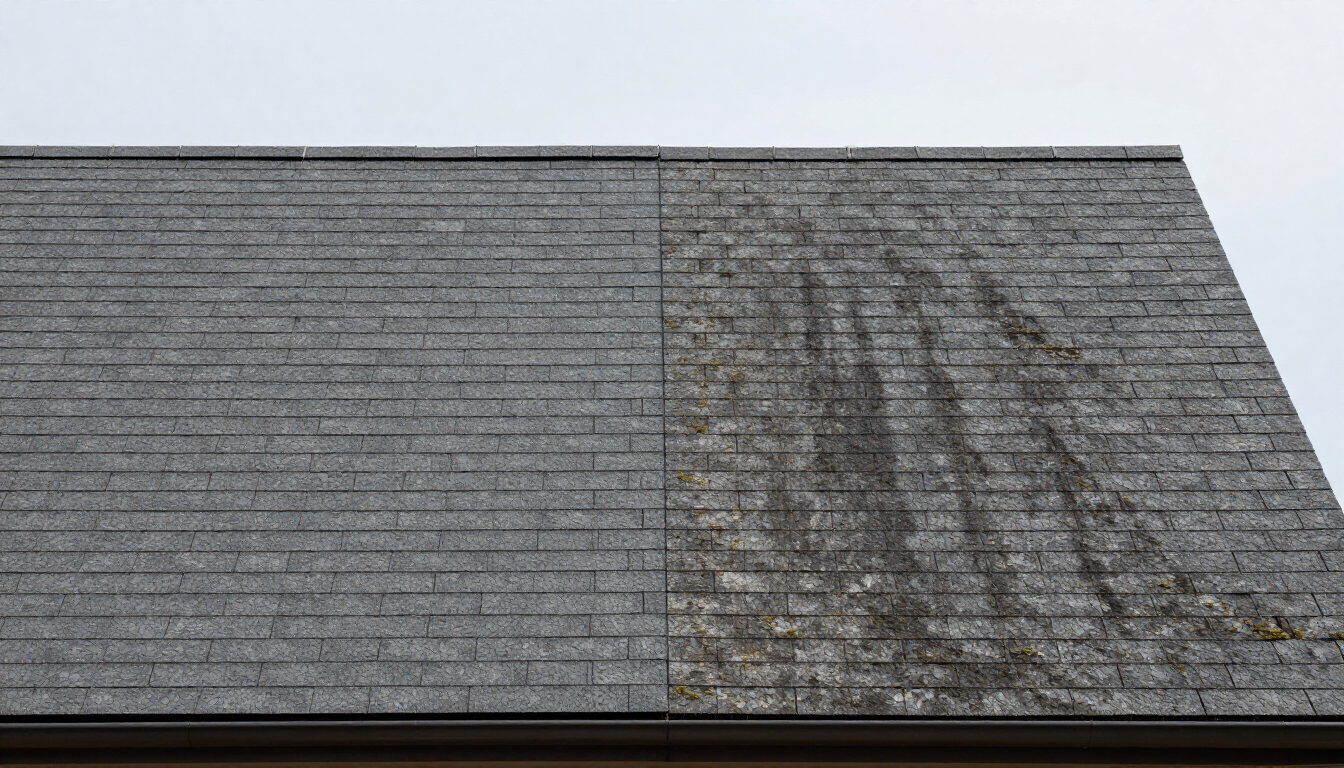
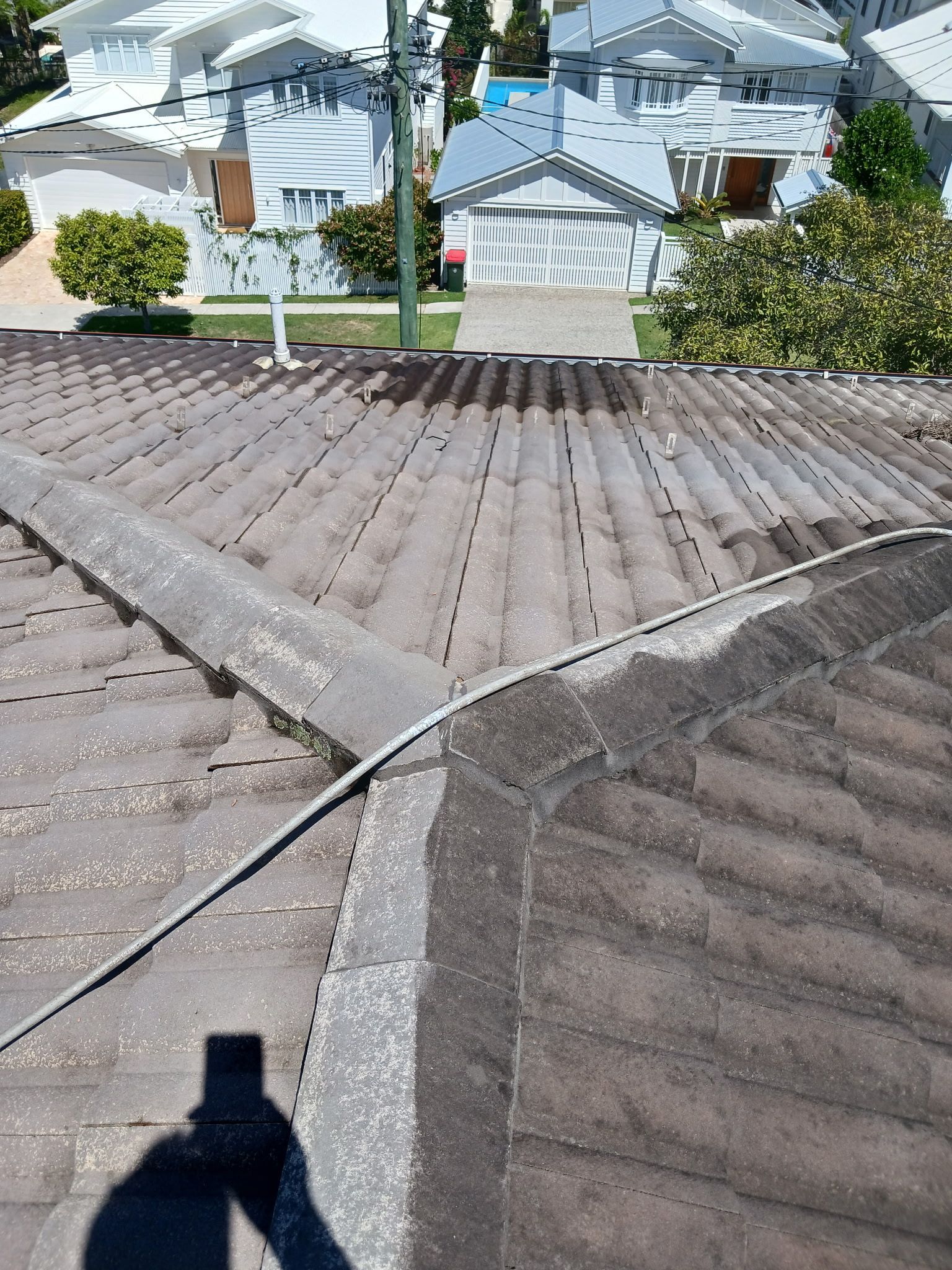
In South East Queensland’s humid climate, roofs regularly collect moss, lichen, algae, dirt, and organic debris. Left untreated, that growth holds moisture against roof surfaces, speeds up deterioration, and blocks gutters and downpipes.
At Rudd Family Builders & Solar, we look at roof maintenance through both a building and environmental lens. Understanding how soft washing works—and how Queensland rules govern runoff and building repairs—helps you protect your roof investment without risking surface damage or water pollution.
What Is a Roof Soft Wash?
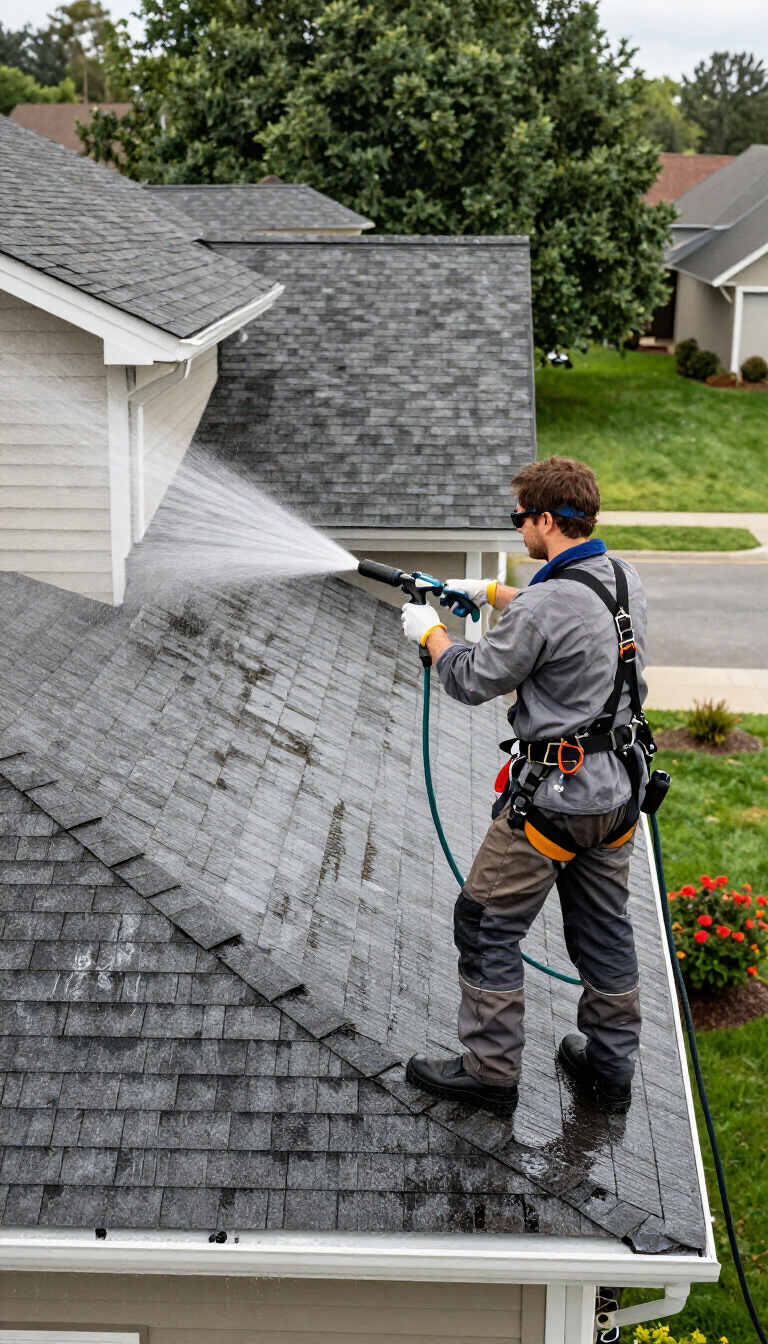
A soft wash uses low-pressure application paired with appropriate cleaning treatments designed to target biological growth—such as algae, moss, and lichen—and surface grime without relying on high-PSI water blasting.
Why this matters on Queensland roofs:
- Reduced Risk to Roof Materials: High-pressure washing can force water under tiles or laps, strip aged coatings, lift ridge pointing or flashings, or damage fragile roofing materials.
- Reaching Textured & Shaded Areas: Low-pressure application helps treat crevices, overlaps, and shaded slopes where lichen and algae take hold.
- Better Assessment Opportunity: Once heavy organic buildup is cleared, it is easier to spot cracked tiles, corroded fasteners, worn sealants, or drainage issues before they turn into active leaks.
Need Advice on Roof Maintenance or Repairs in SEQ?
Whether you need a roof assessment, repairs, restoration, or broader home maintenance across the Sunshine Coast and South East Queensland, speak with Rudd Family Builders & Solar.
- Phone: 07 5477 0610
- Email:
info@ruddfamily.com.au - Address: 1/3 Packer Rd, Baringa QLD 4551
Simple Roof Maintenance Habits Between Cleans
A practical maintenance routine helps extend roof life across the Sunshine Coast and wider South East Queensland:
- Inspect After Severe Storms: Check for displaced tiles, bent flashings, fallen branches, and blocked valleys after heavy rain or high winds.
- Keep Gutters & Downpipes Clear: Clearing leaves and debris prevents water overflow, fascia rot, and drainage backups.
- Trim Overhanging Branches: Reducing shade and leaf drop slows moss, lichen, and debris accumulation.
- Protect Rainwater Tanks: If your property uses rainwater tanks, isolate tank inlets before any roof treatment or heavy cleaning so contaminants do not enter your water supply.
When Soft Washing Isn’t Enough: Repairs & QBCC Standards
Washing a roof improves appearance and removes organic growth, but cleaning alone will not fix structural or weatherproofing faults.
- Check for Underlying Defects: Missing or cracked tiles, deteriorated sarking/underlay, rusted sheeting, failed flashing, or damaged gutters require targeted repair or restoration work.
- Licensed Building & Trade Work: Where roof repairs, restoration, cladding, or tiling fall under regulated building or trade scopes in Queensland, work must be carried out by appropriately licensed contractors—such as Rudd Family Builders & Solar (QBCC Licence #15485031, CAE Solar Pty Ltd)—in line with relevant Australian Standards.
Gentle Cleaning for Delicate Surfaces:
Soft washing relies on targeted cleaning solutions and low pressure rather than harsh blasting, helping protect roof tiles, protective coatings, seals, and flashings.
Pair Cleaning with Drainage & Inspection:
Keeping gutters, valleys, and downpipes clear ensures roof water drains to a lawful point of discharge rather than backing up.
Maintenance vs. Structural Repairs:
Basic cleaning differs from structural or trade roof repairs—where QBCC licensing and Australian Standards apply—and any underlying leaks or damaged components should be addressed properly.
Stormwater & Runoff Rules Apply:
Under Queensland’s Environmental Protection Act 1994, allowing wash water containing chemicals, algae, moss, or contaminants to enter stormwater drains, roadside gutters, or waterways is an offence and can attract significant penalties.
Queensland Environmental & Runoff Compliance
One of the most overlooked parts of roof cleaning in Queensland is where the wastewater goes. Roofs and gutters connect to drainage systems that lead to local creeks, rivers, catchments, and coastal waters.
Key compliance points for SEQ property owners and contractors:
- Keep Contaminants Out of Stormwater: Under the Environmental Protection Act 1994, discharging polluted runoff—including chemical solutions, organic sludge, moss/algae residue, or debris—into stormwater drains or roadside gutters can breach environmental laws and result in fines or prosecution.
- Plan Containment & Diversion: Depending on the roof, site layout, and product used, responsible operators manage runoff carefully—such as isolating or diverting water away from stormwater inlets, protecting drains, managing sensitive garden beds and rainwater tanks, and having spill/residue controls ready rather than hosing waste into the street.
- Maintain Lawful Stormwater Drainage: Queensland requirements and local council rules expect roof drainage systems to remain clear and discharge properly without causing nuisance or damage.