


Is My Inverter Compatible With My Battery? (A SEQ Homeowner’s Guide)
If you are looking to upgrade your existing solar setup or add battery storage to your home, one crucial question comes up before buying any equipment: Is my inverter actually compatible with the battery I want to install?
The short answer is: Not always. Connecting an incompatible battery to a solar inverter can result in system inefficiency, voided warranties, or a system that simply fails to charge or discharge power.
Here is everything you need to know about inverter-battery compatibility in South East Queensland, what happens if they don’t match, and how to choose the right combination for long-term reliability.
1. DC-Coupled vs. AC-Coupled Batteries: What’s the Difference?
How your battery connects to your solar power system determines what kind of inverter you need:
- DC-Coupled Systems (Hybrid Inverters): In a DC system, your solar panels and your battery connect directly to a single Hybrid Inverter. This inverter manages both the power coming off your roof and the charge going into your battery. For this to work, the battery must be explicitly supported and communications-compatible with that exact hybrid inverter brand.
- AC-Coupled Systems: If you already have an existing, standard solar inverter that isn't battery-ready, an AC-coupled battery system (which has its own internal battery inverter) can be added alongside your existing setup.
2. Key Factors That Determine Inverter & Battery Compatibility
Even if two components are sold as "universal," they still need to meet three major criteria to work safely together:
A. Communication Protocols (BMS Integration)
Modern lithium batteries use an internal Battery Management System (BMS) to report continuous updates on temperature, charge levels, and voltage. The battery and inverter communicate via protocol cables (such as CAN-bus or RS485). If the inverter software cannot "talk" to the battery's BMS, the system will shut down or refuse to charge for safety reasons.
B. Voltage Requirements (High Voltage vs. Low Voltage)
Batteries generally fall into two voltage brackets:
Low Voltage (48V systems): Traditional solar battery setups.
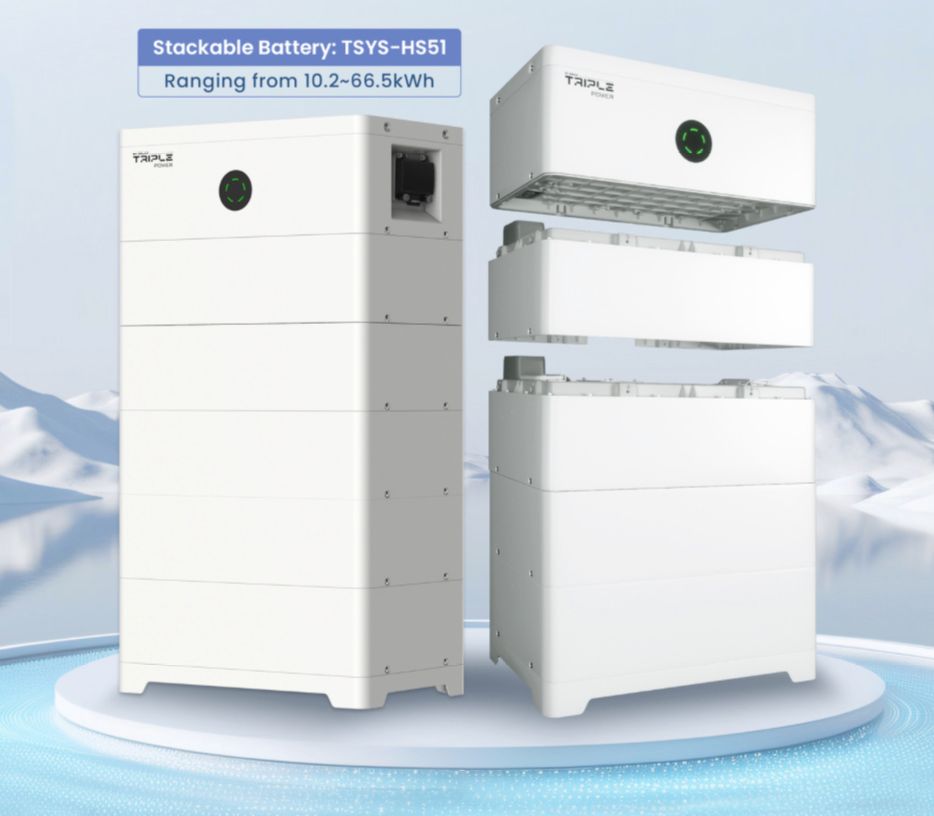
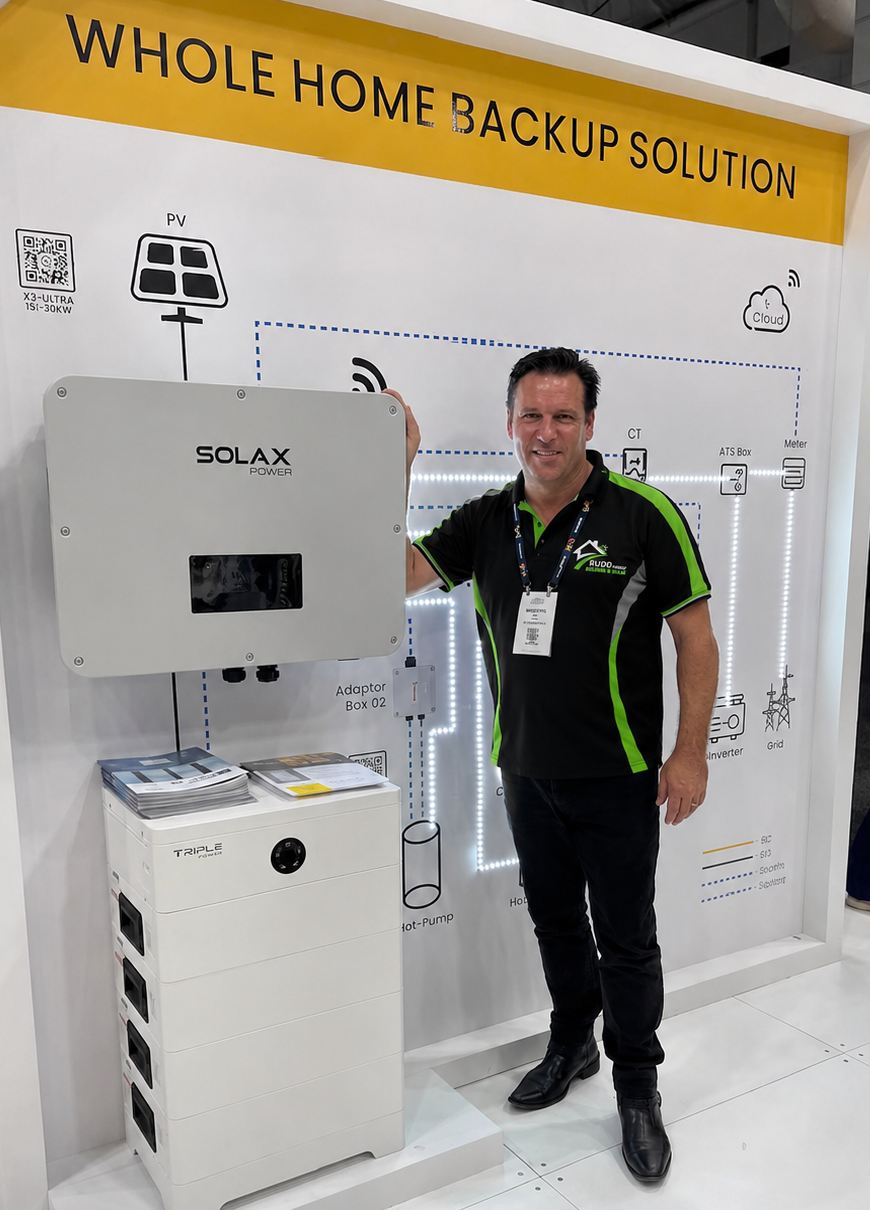
High Voltage (150V – 400V+ systems): Modern high-efficiency home batteries (like SolaX Triple Power or BYD).
A High-Voltage hybrid inverter will not work with a 48V Low-Voltage battery stack, and vice versa.
C. Charge & Discharge Current Limits
Your inverter must be able to manage the maximum output power and charge rate allowed by the battery. If the inverter pulls too much power too fast, the battery’s safety circuit breaker will trip.
3. What Happens If You Use Incompatible Equipment?
- Voided Warranties: Most major solar manufacturers require proof of approved pairing for warranty claims.
- Communication Errors: The inverter will display fault codes (such as BMS Communication Error) and disable battery functionality.
- Reduced Lifespan: Incorrect charging profiles degrade lithium cells significantly faster.
- Safety Hazards: Severe mismatches can cause overheating or electrical faults.
4. How to Check If Your Inverter Is Compatible
Before purchasing a battery upgrade, follow these three steps:
- Check the Approved Vendor List (AVL): Every reputable hybrid inverter manufacturer publishes a official Battery Compatibility Chart on their website.
- Verify the Firmware Version: Sometimes a firmware update on your current inverter is required before it will recognize a newer model battery.
- Consult a Licensed Installer: A qualified CEC-accredited solar installer can verify voltage matching, communications wiring, and local standards compliance before installation day.
Need Expert Advice on Solar & Battery Matching?
At Rudd Family Builders & Solar, we bring over 16 years of hands-on solar installation experience across South East Queensland. We’ve tested and vetted countless combinations in real-world Australian conditions, ensuring every battery and inverter setup we install delivers seamless performance and maximum lifetime value.
That is why we only use Solax and LONGi products!
Have questions about your current setup or planning a battery upgrade?
Contact our local team today for an honest, expert assessment of your system! Be
Best installers on the Sunshine Coast