
Your Solar and Battery Experts Since 2010
QBCC Licensed 15485031
Planning solar or battery storage for your Glass House Mountains Region home?
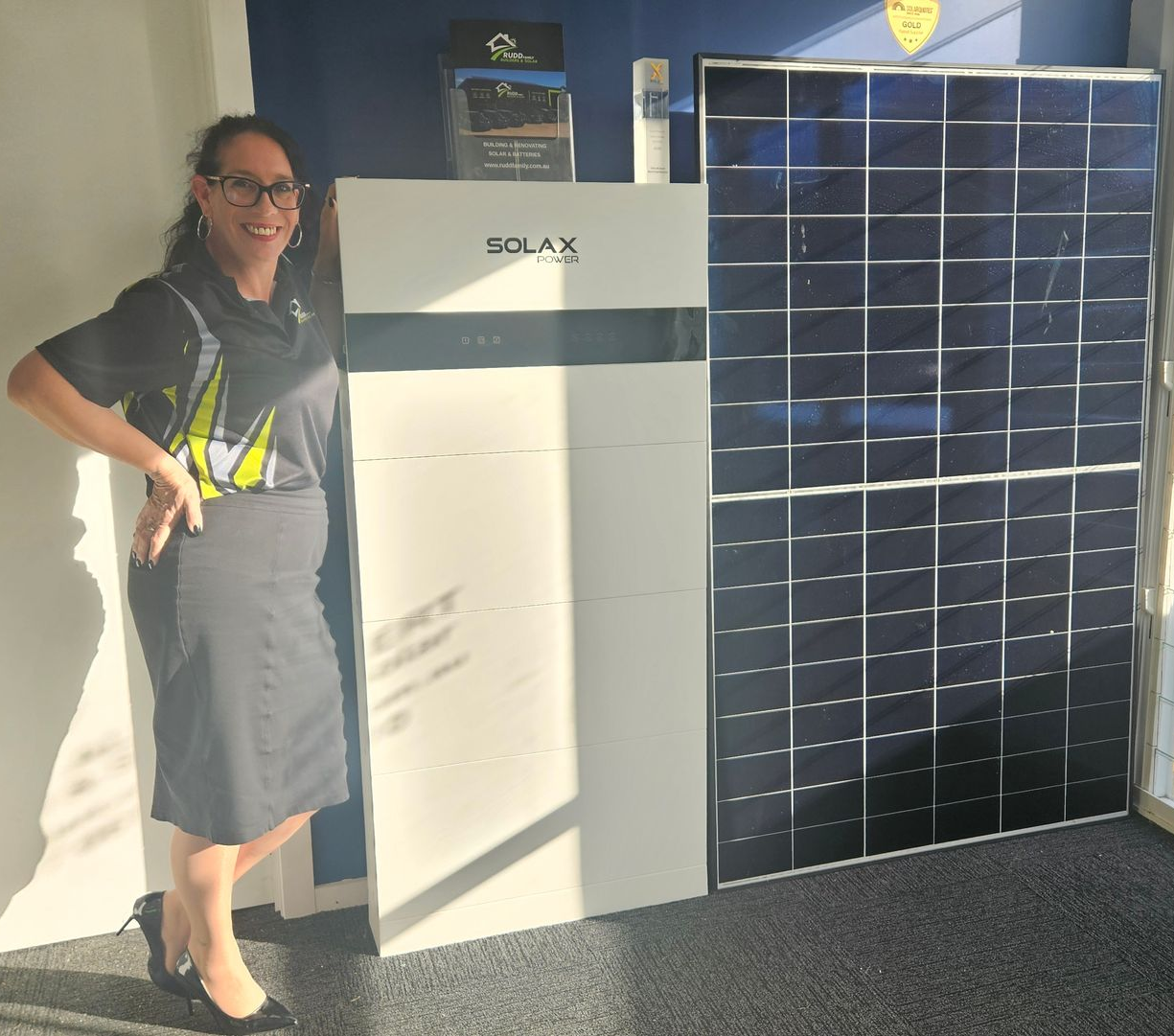
Book a consultation with Rudd Family Builders & Solar for clear advice based on your roof, shade conditions, household electricity use and future plans. We can assess LONGi solar panels, a SolaX hybrid inverter, SolaX battery storage, EV charger integration, hot water timer integration and any roof work that should be completed before installation.
Contact our team to discuss a residential solar and battery solution designed specifically for your property.
Rudd Family Builders & Solar (QBCC 07 5477 0610) installs custom LONGi solar panels, SolaX hybrid inverters, and battery storage systems. Combining 16+ years of solar expertise with 160+ years of family building heritage, we deliver tailored, high-efficiency energy systems engineered specifically for local Queensland roofs.
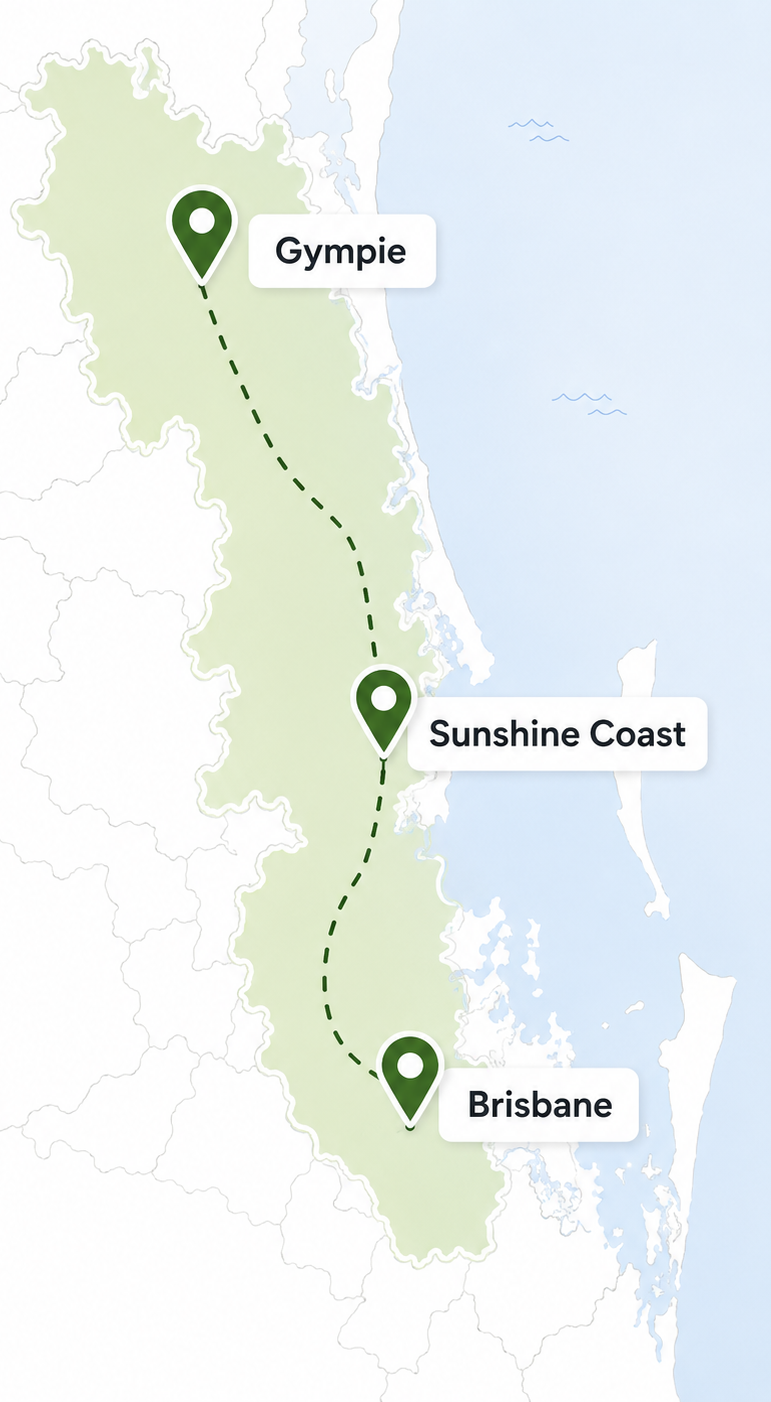
Rudd Family Builders & Solar designs and installs residential solar and battery systems for homeowners throughout the Glass House Mountains Region. This is an area where no two properties are quite the same. Homes range from established brick residences and Queenslander-style houses to newer family homes, rural lifestyle properties and acreage blocks with sheds, pumps, pools and higher household energy demands.
Our approach begins with the home rather than a standard package. We assess how electricity is used, where shade falls across the roof, the condition of the roofing, available switchboard capacity and whether the household is likely to add a battery, electric vehicle, renovation or additional living space in the future. LONGi solar panels and SolaX hybrid inverters and batteries are then selected and configured around those requirements.
For homeowners comparing solar installers in the Glass House Mountains Region, the most important question is not simply how many panels can fit. It is whether the system has been planned to perform well on that particular property over many years.
Choosing the right Solar System
Every property in the Glass House Mountains Region has its own design considerations. Our assessment may include:
- Recent electricity bills and interval usage data
- Daytime, evening and seasonal energy patterns
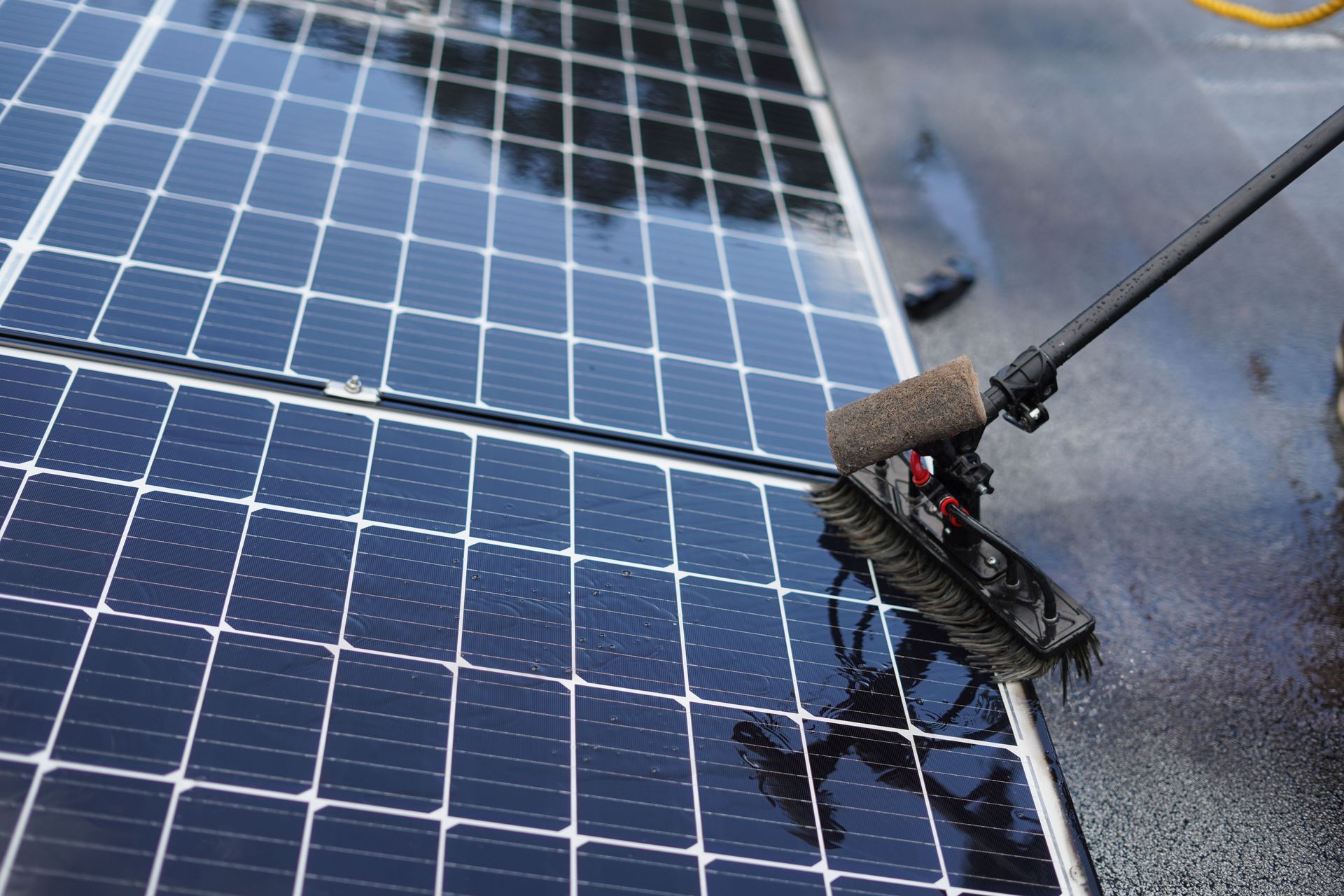
- Roof orientation, pitch, material, age and condition
- Shade from trees, ranges, neighbouring homes and roof features
- Available roof zones on the house, shed or other suitable structure
- Switchboard condition, electricity supply and cable routes
- Loads such as pumps, pools, air conditioning and electric hot water
- Potential EV charging and future battery storage
- Planned renovations, extensions or reroofing
- Safe access, equipment placement and future maintenance
This process helps us recommend a system that suits the home rather than forcing the property to fit a preselected package.
Is Solar worth it for homes in my area?
How do I know if my roof is suitable for Solar Panels?
The Glass House Mountains Region offers strong opportunities for residential solar. Many homes have generous roof areas, good exposure to daylight and enough space to position panels away from vents, aerials and other roof obstructions. Larger blocks also often carry additional electrical loads such as bore or rainwater pumps, pool filtration, workshop equipment, multiple refrigerators, home offices and air conditioning.
At the same time, the area has more tree cover than many coastal suburbs. Mature gardens, bushland edges, windbreaks and neighbouring vegetation can create morning, afternoon or seasonal shade. A system that looks suitable from an aerial image may perform differently once changing shade patterns and roof orientation are properly assessed.
Solar can be especially valuable for households that are home during the day, operate pumps or pool equipment in daylight hours, work from home or can shift hot water and appliance use into the solar generation period. Where evening consumption is high, a SolaX battery may help the household use more of the energy generated during the day.
For a typical family home in the Glass House Mountains Region, we would begin with electricity use, roof condition and shade rather than a fixed system size.
A practical design may include a well-positioned LONGi solar array across the most productive roof faces, paired with a SolaX hybrid inverter that supports current requirements and future battery options. Where daytime loads include pool pumps, hot water, home-office equipment or air conditioning, we would look at how these can be timed to use solar directly.
A SolaX battery may be recommended where evening consumption is substantial, where the household exports a meaningful amount of daytime solar or where future energy independence is a priority. On a heavily shaded property, however, the first priority may be improving the array layout and understanding realistic generation before deciding on storage.
The final recommendation depends on the home. The best system is the one that is designed around usable roof area, actual demand and future plans, not the one with the largest headline capacity.
What's my Local Housing & Energy Profile?
What Homes We Commonly Install Solar On?
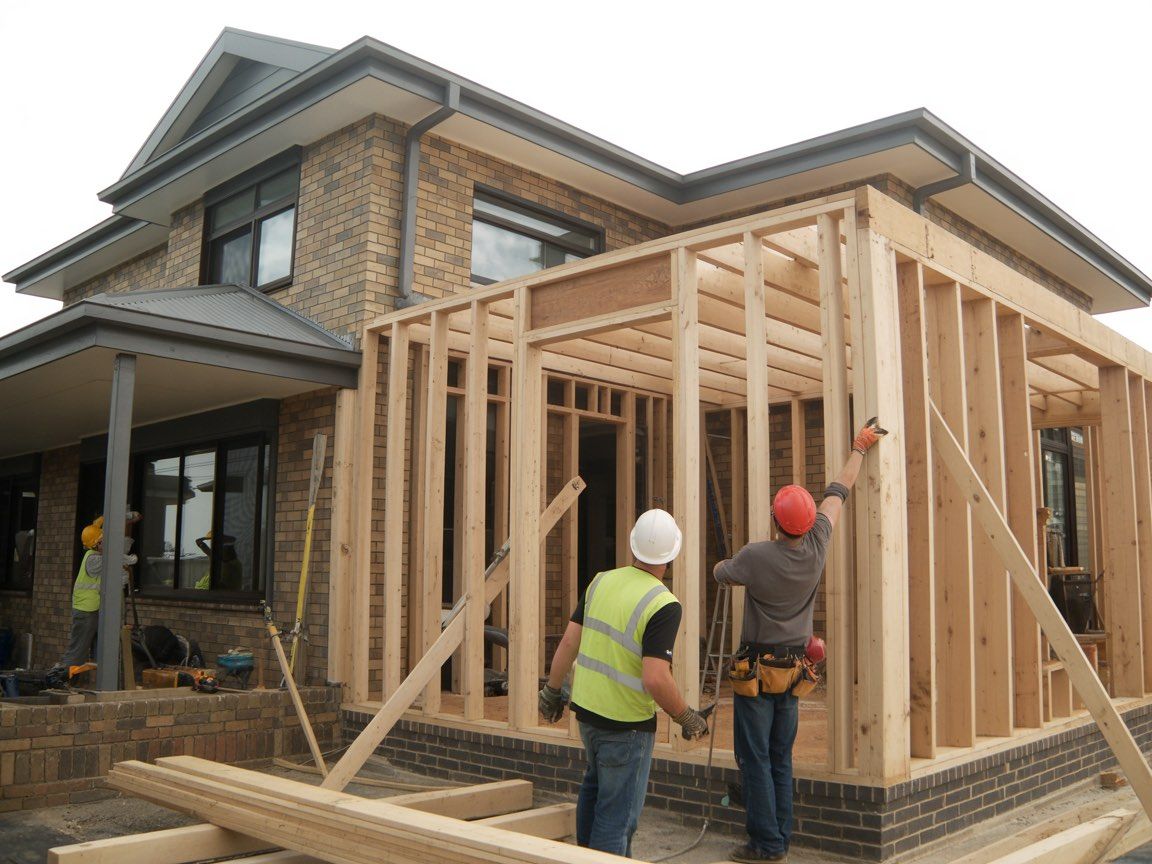
The local housing mix includes older rural homes, timber and Queenslander-style houses, established brick homes, renovated family properties, newer estates and acreage residences with detached sheds or secondary structures. Roof materials commonly include concrete or terracotta tiles, older metal sheeting and modern Colorbond-style roofing.
Older homes may have had extensions, patio roofs, carports or sheds added over time. These changes can create multiple roof pitches, mixed roofing materials, unusual cable routes and sections that differ in condition. Some properties also have older switchboards or limited space for new equipment. Newer homes may provide cleaner roof zones but can still have complex rooflines, narrow panel areas or shading from nearby trees.
Electricity use varies widely. A smaller established home may have modest daytime use, while an acreage household may run water pumps, pool equipment, workshop tools, several air conditioners, electric hot water and multiple appliances. Families with teenagers, multigenerational living arrangements or home-based work often have broader energy use across the day and evening. That is why we design from actual usage rather than assuming every local home needs the same system size.
We commonly design residential solar and battery systems for a wide range of properties throughout the Glass House Mountains Region, including:
- Established brick family homes
- Queenslander-style and timber homes
- Acreage and rural lifestyle properties
- Newer homes in growing residential areas
- Renovated or extended homes with multiple roof sections
- Homes with tiled, metal or mixed roofing materials
- Properties with pools, pumps, sheds or home workshops
- Homes with substantial tree cover or complex shading
- Households preparing for battery storage or an electric vehicle
Each property is assessed individually so the system layout, equipment and energy strategy suit the home rather than simply matching a standard package.
Should I install a Solar and Battery System?
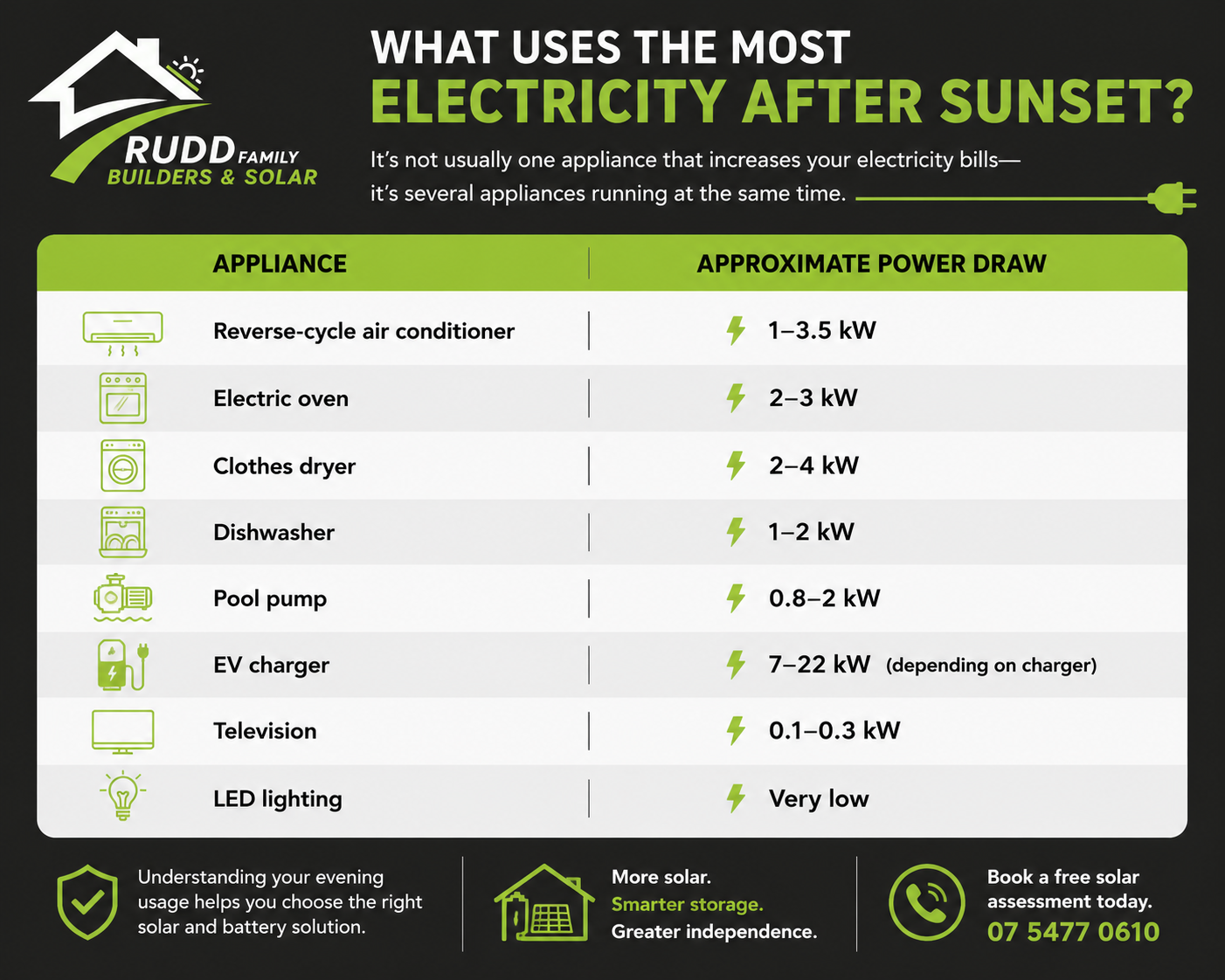
A battery can suit a Glass House Mountains Region household where solar generation is strongest during the day but electricity use continues into the evening. Stored solar may then support lighting, refrigeration, cooking, entertainment, air conditioning and other normal household loads after the panels have stopped generating.
Battery storage can be particularly relevant for larger family homes, properties with home offices, households planning an electric vehicle or owners who expect future energy demand to increase. It may also appeal to people who want greater control over when they draw electricity from the grid.
We do not assume every home needs a battery immediately. We look at interval data where available, evening consumption, daytime surplus, tariffs, future plans and the homeowner's priorities. A SolaX hybrid inverter can also be considered where battery readiness is important, allowing the system design to account for storage now or later. The aim is to recommend useful storage capacity rather than oversizing a battery that the household cannot regularly charge or discharge effectively.
A well-planned home energy system considers more than solar panels alone. We look at how solar generation, battery storage, electric hot water, EV charging, pool equipment, pumps and everyday household use can work together.
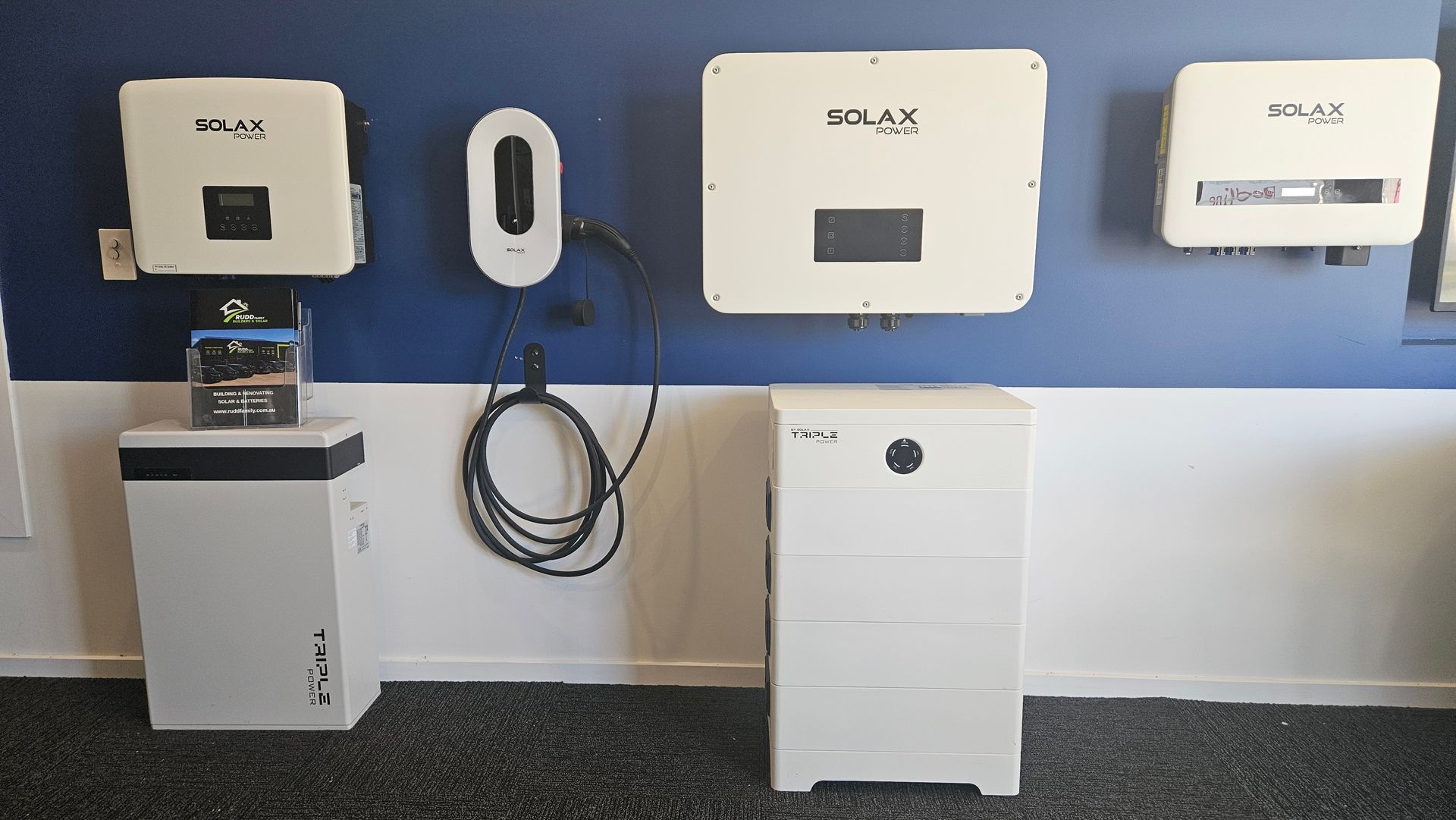
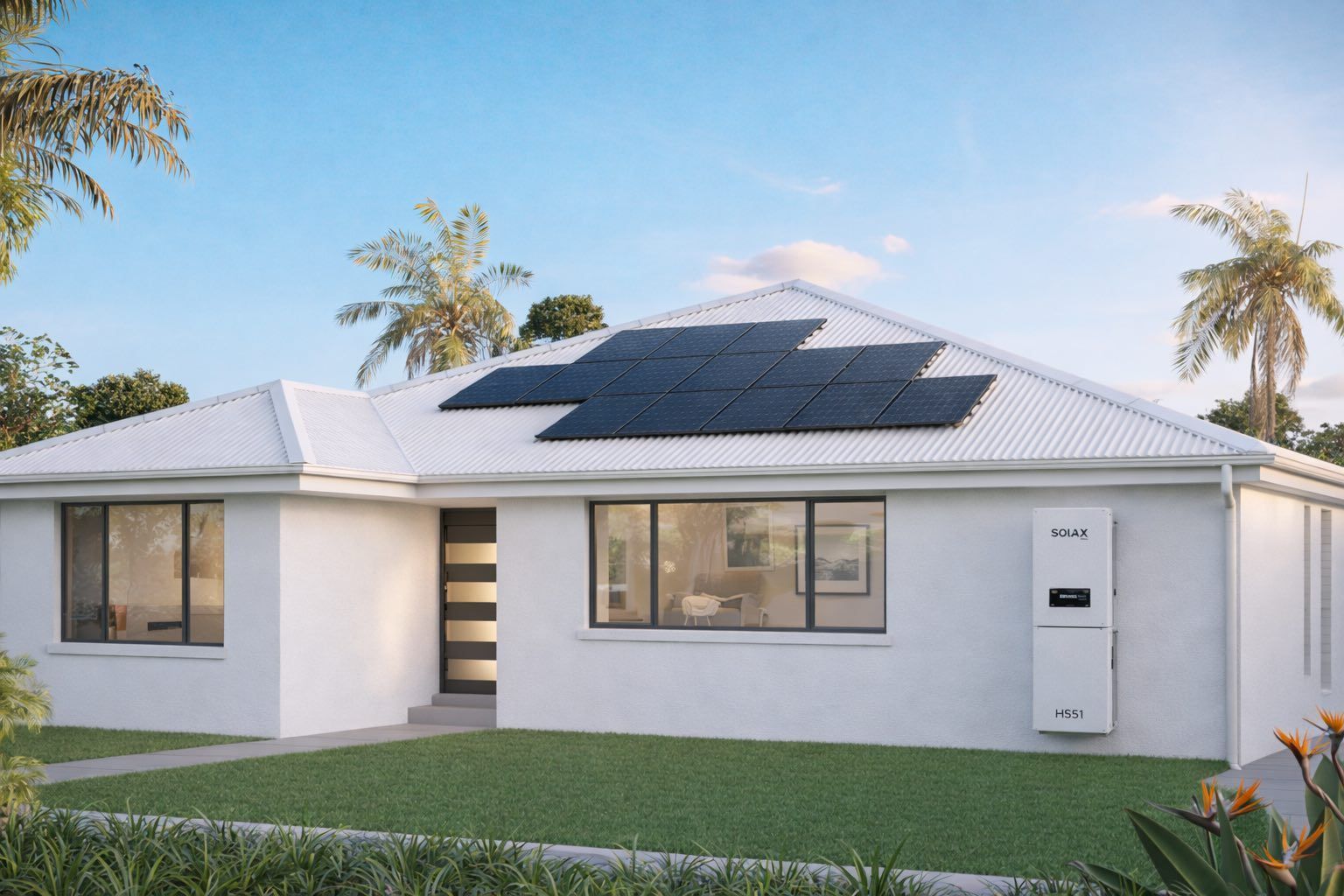
Our residential solutions can include LONGi solar panels, SolaX hybrid inverters, SolaX batteries, system monitoring, EV charger integration and hot water timer integration. We also consider switchboard condition, equipment locations, cable routes, roof access and the possibility of future additions or renovations.
For an acreage property, this may involve reviewing whether major daytime loads can be scheduled while solar is available. For an established family home, it may mean spreading generation across different roof faces to better match morning and afternoon use. For a household planning a battery or electric vehicle, it may mean allowing for additional capacity and suitable equipment placement from the beginning.
Case Study
A family on an acreage property near Glass House Mountains has a metal-roofed home, a pool, water pumps, electric hot water and several air conditioners. One adult works from home, while the rest of the household creates higher electricity demand from late afternoon into the evening. Tall trees shade part of the eastern roof during the morning.
Rather than placing panels across every available section, we would review interval data, identify the strongest roof zones and assess whether a split array could extend production into the afternoon. Pool and hot water operating times could be moved into the solar window, while a SolaX battery would be considered for the household's evening load.
We would also inspect the roof condition and switchboard before finalising the design. The recommendation may be a LONGi solar array sized around useful daytime consumption and available battery charging, with a SolaX hybrid inverter selected to support the proposed storage and future EV plans.
Other Ways to SAVE Money
If you are preparing for an electric vehicle, the charger should be considered as part of the wider household energy plan. We review the existing electricity supply, switchboard capacity, parking location, likely charging routine, solar production and whether a SolaX battery may be included now or in the future.
For many homeowners, daytime charging can make better use of available solar. Where the vehicle is usually away from home during working hours, the design may need to account for evening charging and the role of battery storage or controlled charging settings.
Hot water timer integration can also help move eligible water-heating demand into a useful daytime period. This allows more of the home's hot water energy to be supplied while the solar system is generating. Pool pumps and other suitable loads may also be scheduled around daylight hours, improving self-consumption without changing the way the household lives.
Solar Smart EV Charger
Charge your EV with free solar energy
A solar smart charger intelligently directs excess solar energy into charging your electric vehicle during the day, reducing grid reliance and fuel costs. It can prioritise solar charging first, switch between grid and solar when needed, and be scheduled to charge during off-peak or free energy periods.
View Benefits
- Prioritises solar charging to maximise free energy use
- Automatic switching between solar and grid power
- Scheduling for off-peak and free energy windows
- Reduces EV running costs significantly
Hot Water Timer
Heat water during peak solar hours
A solar hot water timer intelligently diverts your excess daytime solar power to heat your hot water tank during peak sun hours. This effectively turns your existing hot water system into a highly cost-effective "thermal battery," eliminating the need to heat water using expensive night-time grid tariff rates.
View Benefits
- Shifts hot water heating to solar production hours
- Reduces reliance on expensive grid electricity
- Simple, cost-effective upgrade
- Works with most electric hot water systems
Why Choose Us?
Rudd Family Builders & Solar is a local family-owned business with more than 22 years serving South East Queensland and 39+ years of building experience. That background gives homeowners the benefit of solar, roofing and construction knowledge in one team.
We focus on practical residential design rather than selling a generic package. By specialising in LONGi solar panels and SolaX hybrid inverter and battery systems, we maintain a consistent product approach and build strong familiarity with the equipment we install.
- Residential systems tailored to the property and household
- Roof condition considered before panels are installed
- Clear advice about batteries, EV charging and hot water integration
- Experience with tiled roofs, metal roofs, renovations and acreage homes
- Planning that accounts for future alterations and energy needs
- Local support from a family business that understands South East Queensland homes
Our goal is to design a system that makes sense for the way the home is used now and remains practical as the household changes.
LONGi Solar Panels
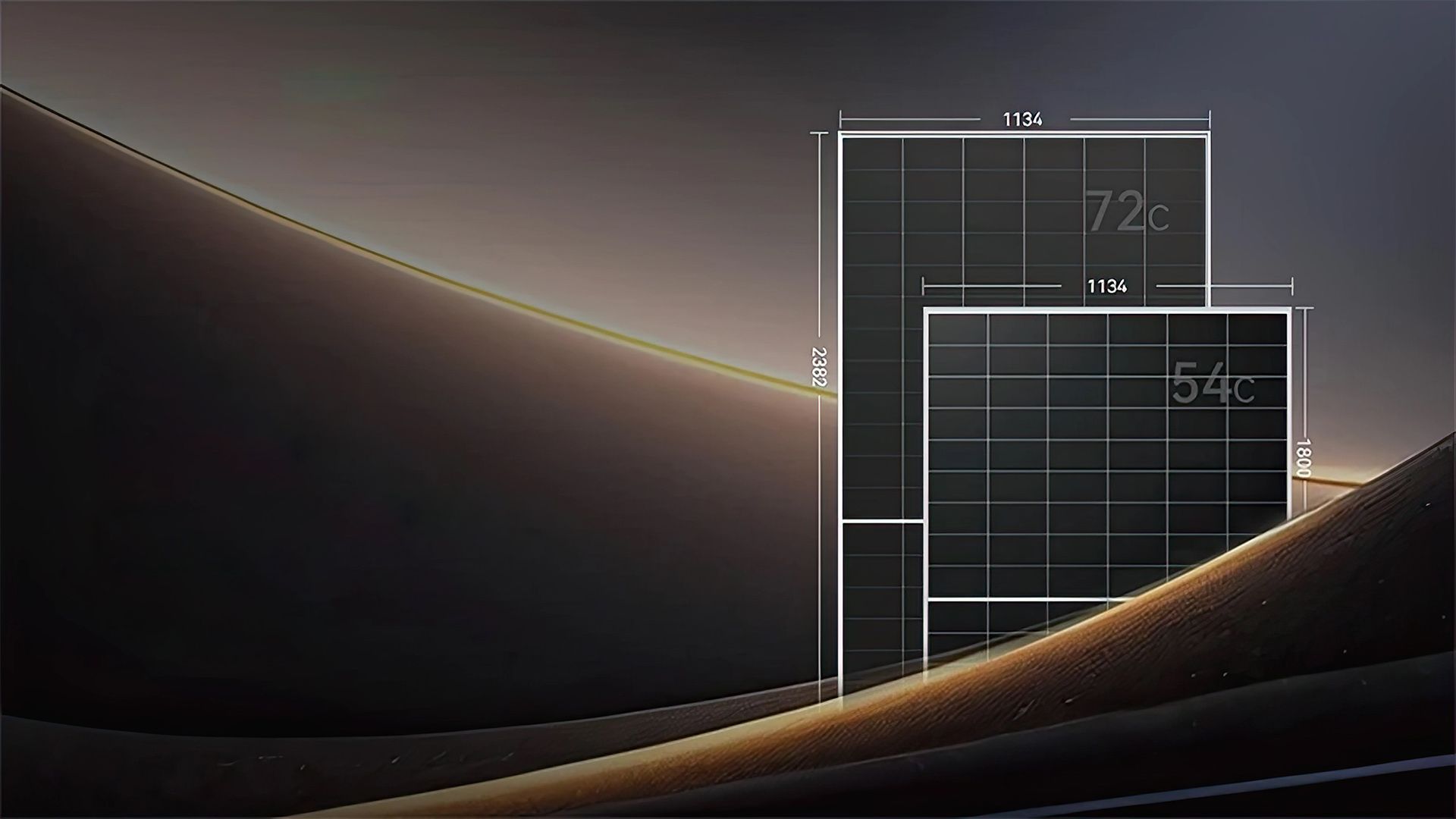
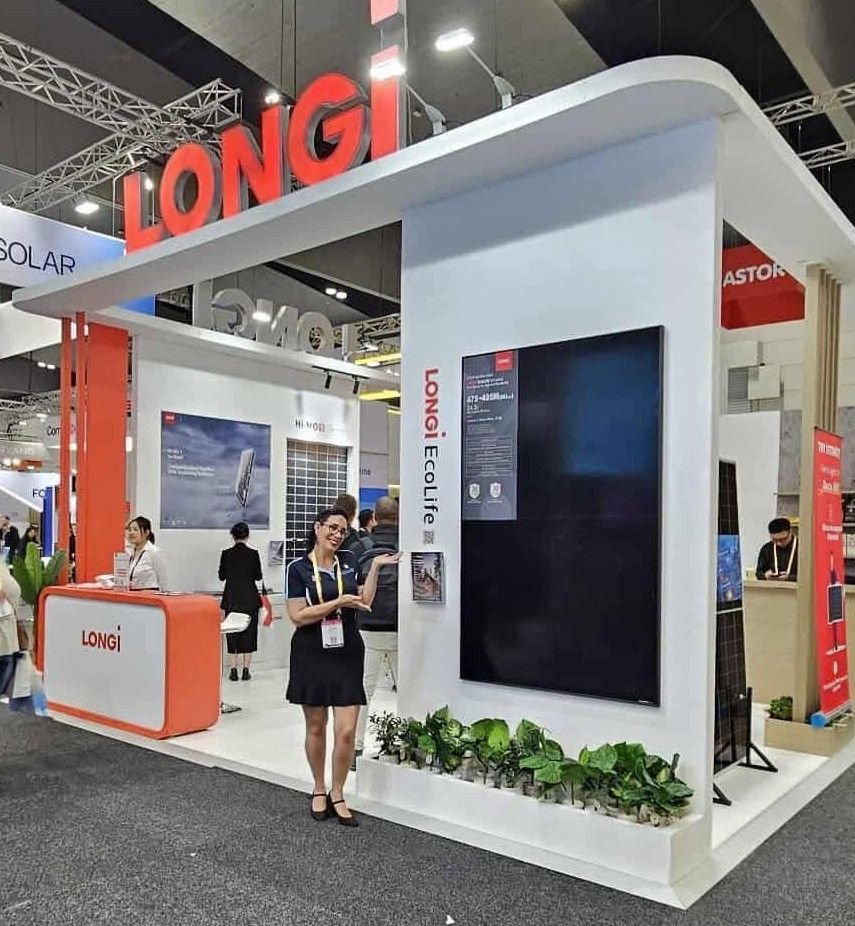
LONGi solar panels are the panel range we have chosen to specialise in for residential installations. They are produced by an established global manufacturer and are recognised for dependable performance, modern solar cell technology and long-term value.
For Glass House Mountains Region homes, panel quality is only one part of the result. Correct positioning, shade analysis, roof condition, system design and installation quality all influence long-term performance.
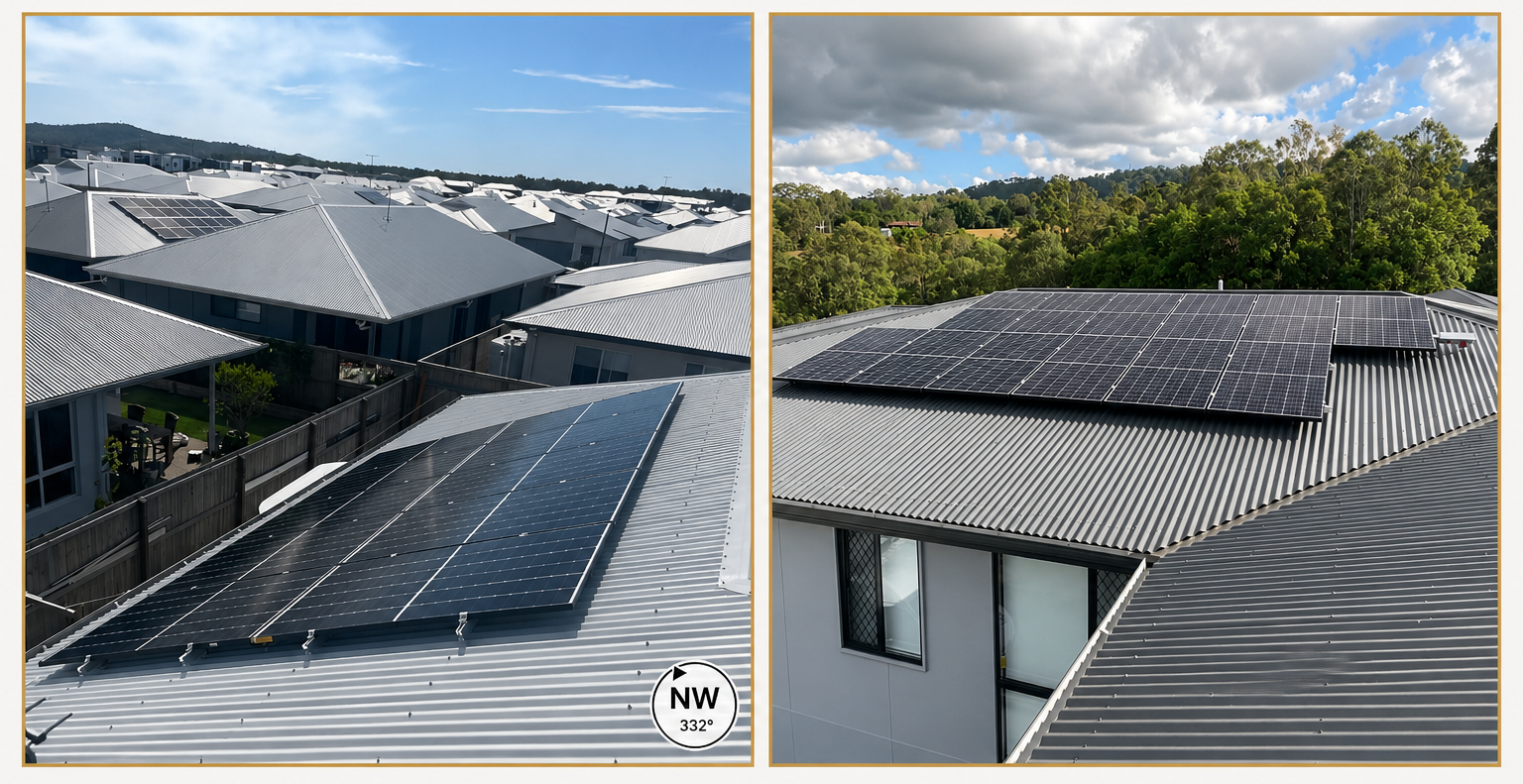
On properties with several roof faces, we may use the available orientations to spread generation across the day. On acreage homes with sheds or detached structures, we assess which roof provides the most suitable combination of condition, orientation, cable access and usable space. Panels are selected and laid out as part of the whole system rather than treated as a stand-alone product.
SolaX Batteries
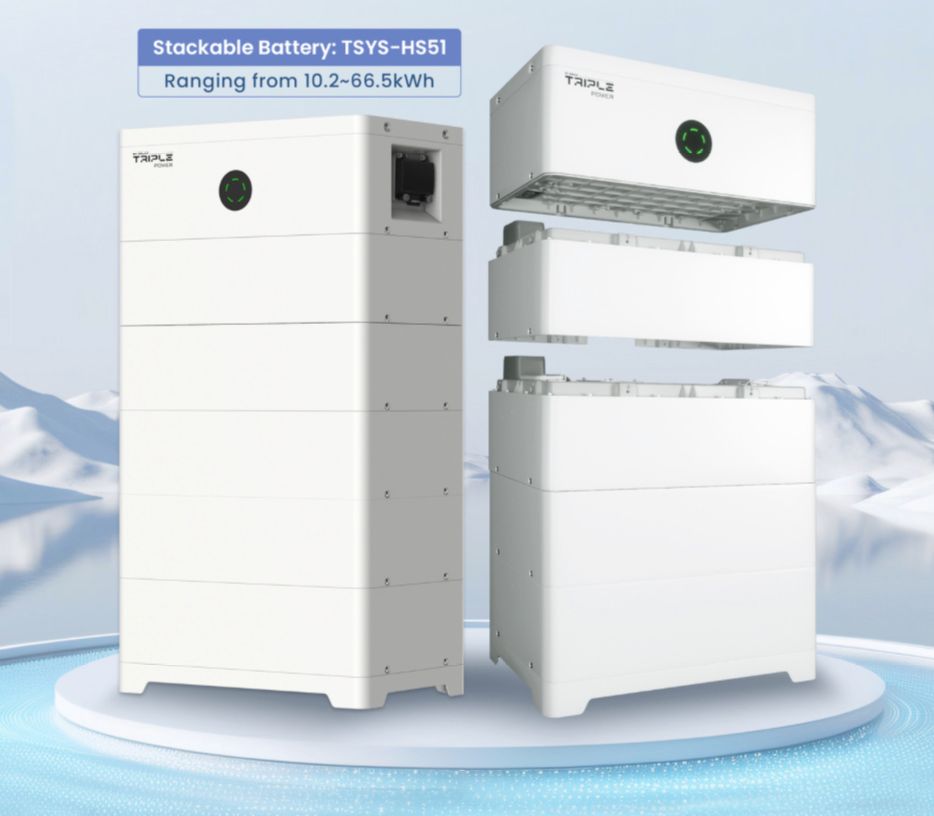
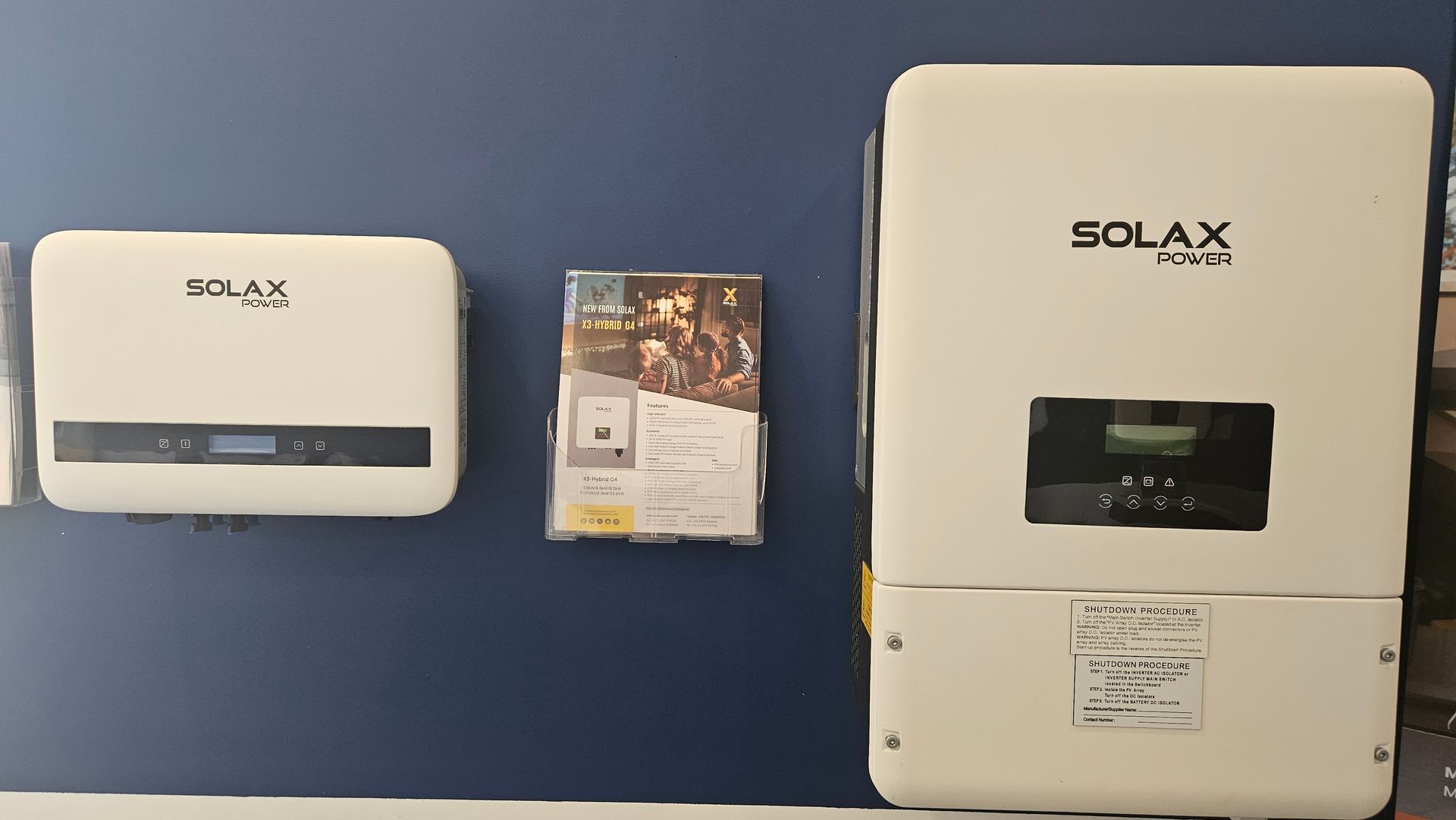
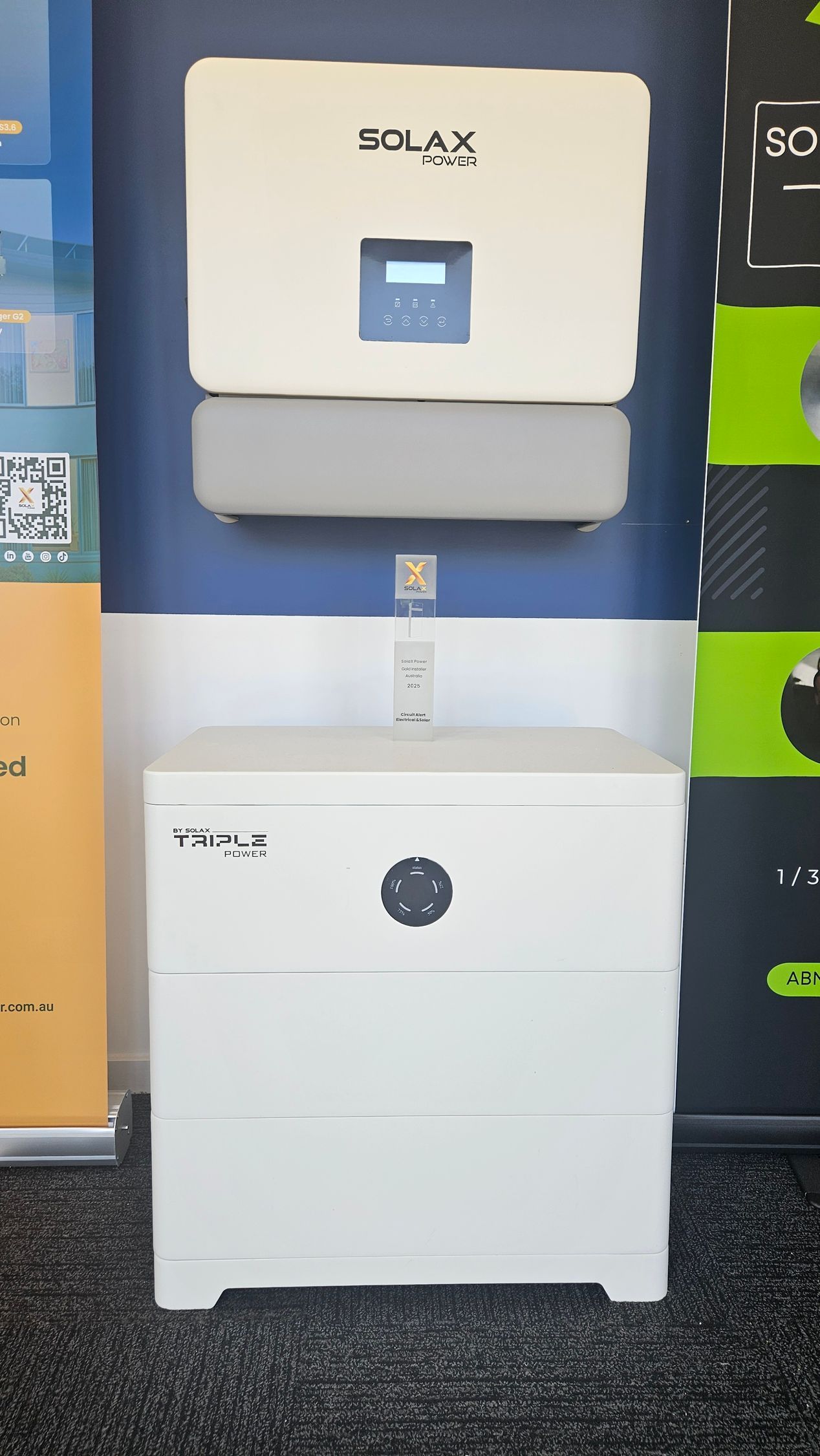
We specialise in SolaX batteries because they provide a flexible residential storage platform that can be matched with SolaX hybrid inverter technology and system monitoring.
A SolaX battery can store suitable surplus solar generation for use later in the day. This may help a household rely less on grid electricity during evening cooking, cooling, lighting and entertainment periods. It can also support future changes such as an electric vehicle, increased occupancy or additional air-conditioning.
Battery capacity should be selected from real usage rather than guesswork. We consider how much surplus solar is likely to be available, when the household uses electricity, the size of the solar array and the owner's priorities. For some homes, a smaller battery used consistently may be more practical than a large system that is rarely cycled fully.
Contact Us
Planning solar or battery storage for your Glass House Mountains Region home?
Book a consultation with Rudd Family Builders & Solar for clear advice based on your roof, shade conditions, household electricity use and future plans. We can assess LONGi solar panels, a SolaX hybrid inverter, SolaX battery storage, EV charger integration, hot water timer integration and any roof work that should be completed before installation.
Contact our team to discuss a residential solar and battery solution designed specifically for your property.
Still Have Questions About Solar?
Buying a solar system is an important investment, and every home is different. We've answered many of the most common questions about solar panels, batteries, energy production, installation, warranties and system design in our comprehensive Solar FAQs.
Our Notebook