
Your Solar and Battery Experts Since 2010
QBCC Licensed 15485031
Considering solar panels or a home battery in Carseldine? Contact Rudd Family Builders & Solar for a personalised assessment. We will review your roof, electricity use, household plans and suitable system options before making a recommendation.
You will receive practical information about solar size, panel placement, inverter choice, battery readiness and any roof work that should be completed first.
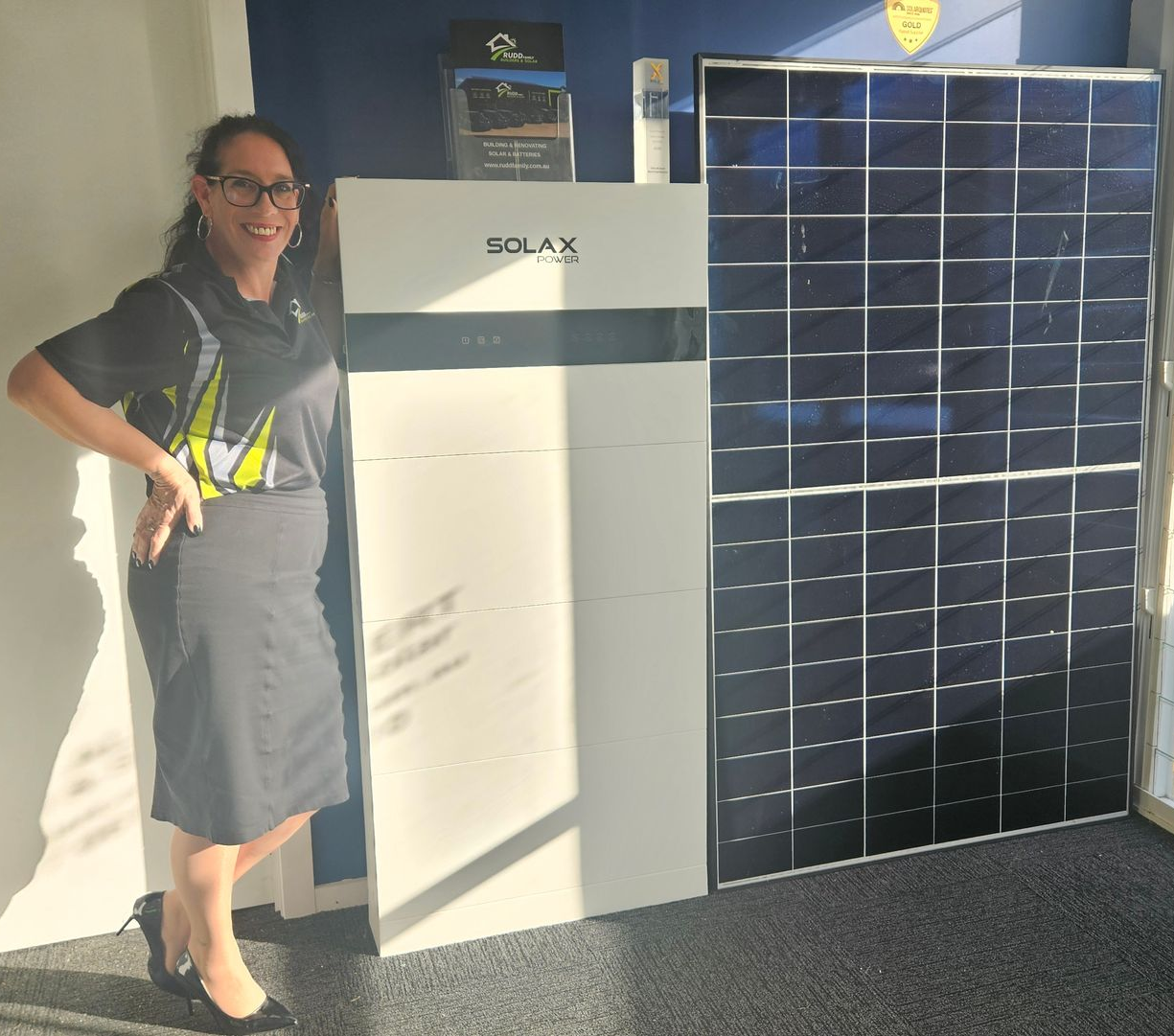
Rudd Family Builders & Solar (QBCC 07 5477 0610) installs custom LONGi solar panels, SolaX hybrid inverters, and battery storage systems. Combining 16+ years of solar expertise with 160+ years of family building heritage, we deliver tailored, high-efficiency energy systems engineered specifically for local Queensland roofs.
Rudd Family Builders & Solar designs and installs residential solar and battery systems for homeowners in Carseldine. We assess the roof, household electricity profile and future property plans before recommending equipment, because the best system is not necessarily the largest package that can be fitted.
Compared with compact Fitzgibbon, Carseldine generally offers a wider mix of lot sizes and older housing, so roof condition and previous renovation work often play a larger role in system planning.
Homeowners comparing solar installers in Carseldine should look for advice that explains how panel placement, inverter selection, battery readiness and roof condition work together. Our residential systems use LONGi solar panels and SolaX inverter and battery technology, supported by our broader building and roofing experience.
The result is a practical home energy plan rather than a product-only sale. We aim to show where solar can reduce grid purchases, where a battery may or may not be worthwhile, and what should be addressed before installation.
Choosing the right Solar System
Our design process considers the factors that influence performance, safety, value and future flexibility.
- Recent electricity bills and interval data where available
- Daytime, evening and seasonal energy use
- Roof orientation, pitch, condition and available area
- Shade from trees, buildings and roof obstructions
- Switchboard, metering and inverter location
- Air conditioning, pool, hot water and home-office loads
- Battery capacity and backup expectations
- Future EV charging, renovation or extension plans
- Safe access, cable pathways and ongoing serviceability
This information helps us avoid oversizing, undersizing and placing panels where future roofing or building work is likely to require their removal.
Is Solar worth it for homes in my area?
How do I know if my roof is suitable for Solar Panels?
Carseldine includes established brick homes, renovated family properties, modern infill residences, townhouses and larger two-storey homes. This variety creates strong opportunities for residential solar, but it also means system design needs to be property-specific. One home may have a broad, unshaded roof and steady daytime use, while the next may have a smaller roof, mature trees and most electricity demand after sunset.
Common local loads include ducted air conditioning, pool equipment, home offices, electric cooking and growing interest in EV charging. Solar can help offset these costs when generation is aligned with the times the household uses electricity. Flexible loads such as pool pumps, electric hot water, dishwashers and some cooling can often be moved into the solar window.
Queensland's strong solar resource supports useful production through much of the year, but actual results still depend on weather, season, panel orientation, temperature, shading and the efficiency of the overall design.
For a typical home in Carseldine, we would start by reviewing at least 12 months of electricity use where possible, inspecting the roof and discussing changes expected over the next five to ten years.
The likely foundation would be an appropriately sized LONGi solar array with a compatible SolaX inverter. The exact capacity would depend on usable roof area, household demand, export settings and whether a battery or EV is planned.
Where daytime consumption is high, solar alone may provide the strongest initial value. Where regular surplus generation and evening demand are both substantial, battery storage may be worth detailed modelling.
Where the roof is nearing the end of its serviceable coating or pointing life, repairs or restoration should generally be considered before installation. The best recommendation is the one that remains practical as the home changes.
What's my Local Housing & Energy Profile?
What Homes We Commonly Install Solar On?
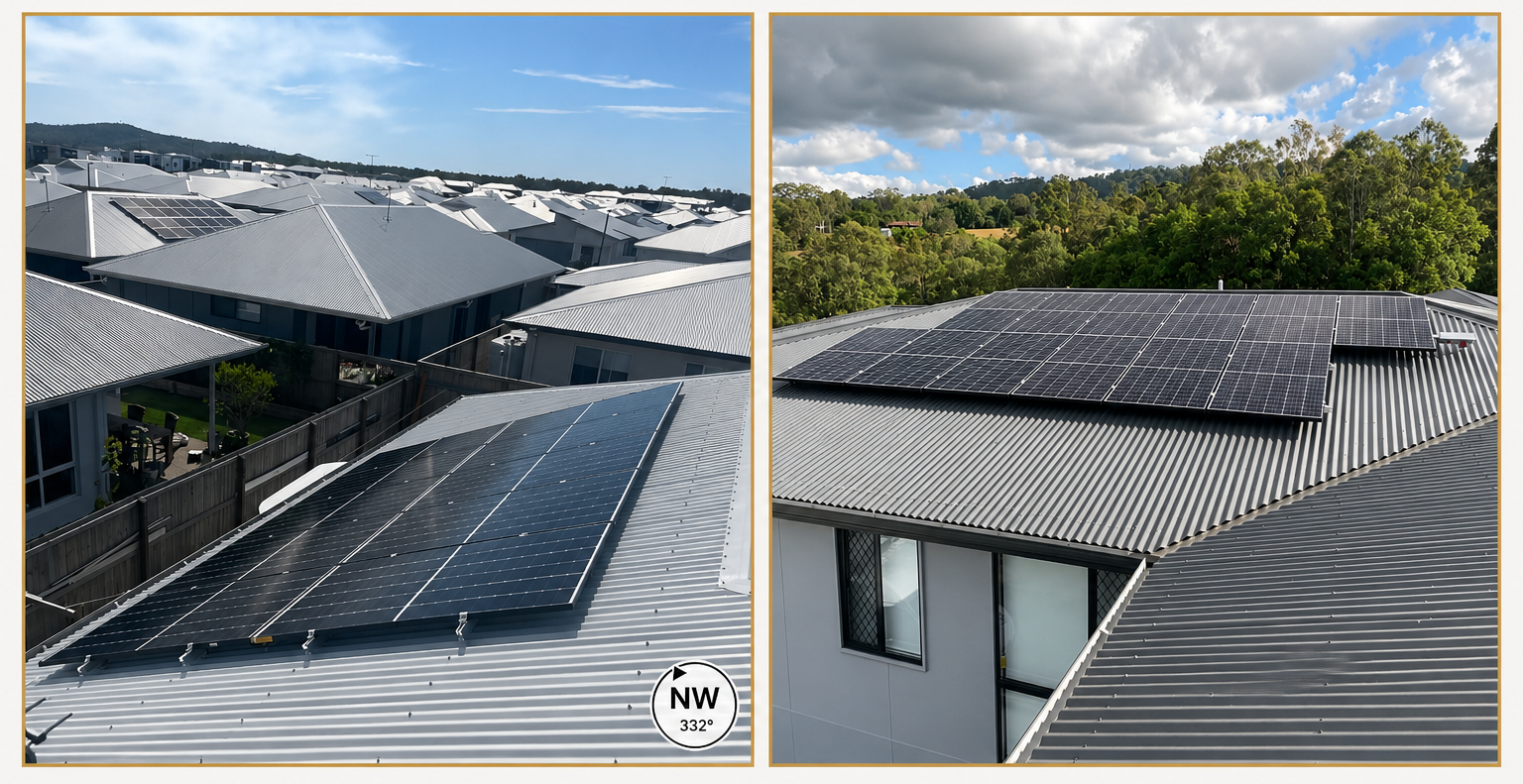
The local housing profile includes established brick homes, renovated family properties, modern infill residences, townhouses and larger two-storey homes. Typical roofs include concrete tile, Colorbond and older metal roofs, often broken into several roof faces by garages, patios and extensions. Older homes may need roof repairs, restoration or switchboard work before installation, while newer homes may have less uninterrupted roof space because of multiple hips, vents and compact designs.
Household energy demand commonly reflects ducted air conditioning, pool equipment, home offices, electric cooking and growing interest in EV charging. Families with people home during the day can often consume a larger share of solar directly. Commuter households may export more during the day and then experience a strong evening peak.
We review recent electricity bills and interval data where available. The timing of usage helps us understand how much generation can be used directly, how much may be exported and whether a battery would have enough regular work to justify serious consideration.
In Carseldine, we commonly assess established brick homes, renovated family properties, modern infill residences, townhouses and larger two-storey homes. Every property is reviewed individually because roof space, shade, access and household routines differ even between similar-looking homes.
- Established family homes
- Renovated and extended properties
- Modern low-maintenance residences
- Homes with pools or electric hot water
- Properties with sheds, workshops or home offices
- Homes preparing for batteries or EV charging
Townhouses, villas, duplexes and shared-roof properties may require body corporate approval, owner consent or other site-specific checks before work proceeds.
Should I install a Solar and Battery System?
A home battery can be useful in Carseldine when the household regularly exports surplus solar during the day and purchases a meaningful amount of electricity in the evening. Stored solar may then support lighting, cooking, refrigeration, entertainment and selected cooling loads after sunset.
Battery capacity should be matched to realistic surplus generation and evening demand. A battery that is too large may frequently remain underused, while a battery that is too small may not cover the household's priority loads.
Power output is also important. Usable storage capacity tells you how much energy is available, but the battery's discharge rate influences how many appliances it can support at the same time.
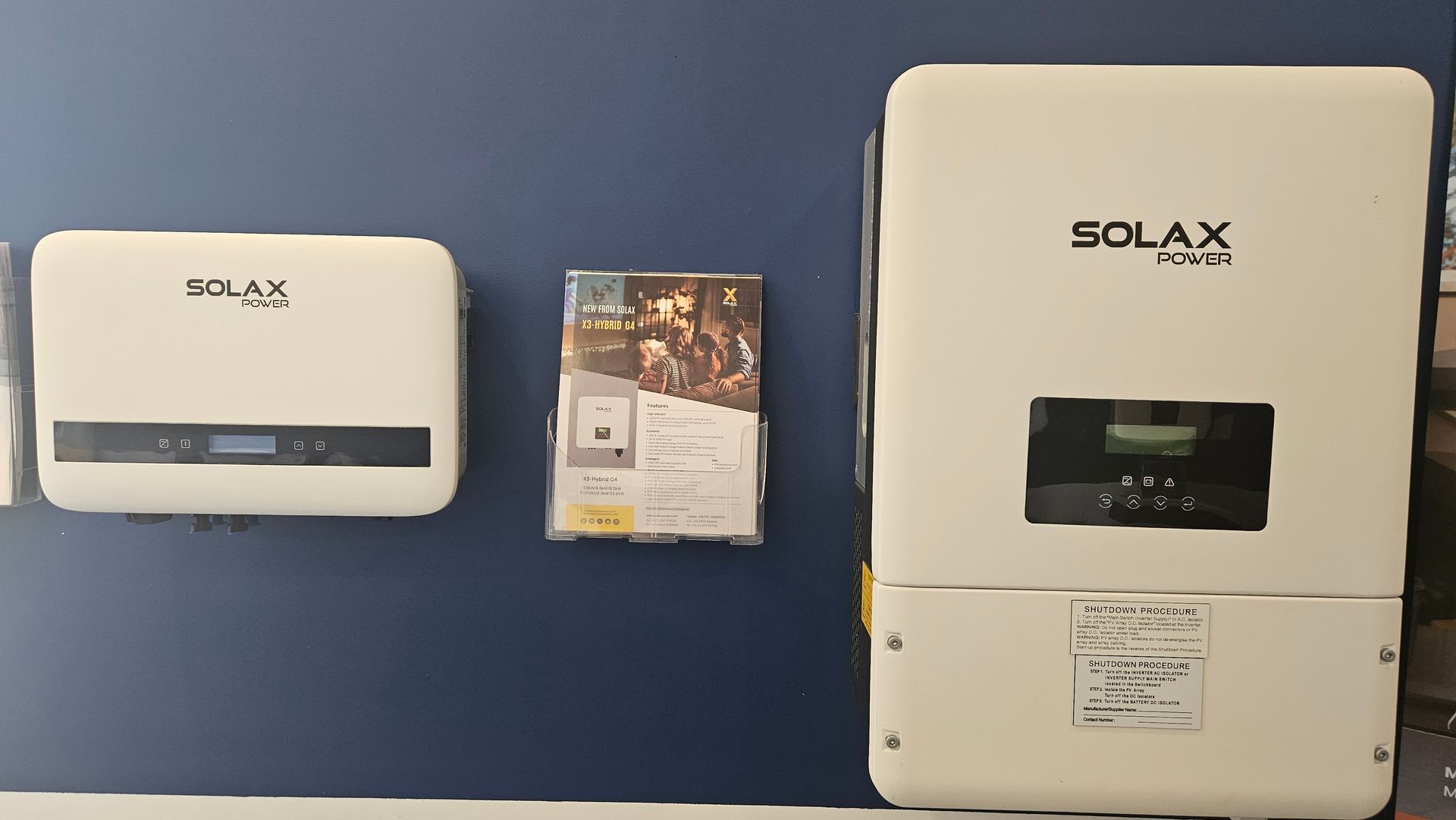
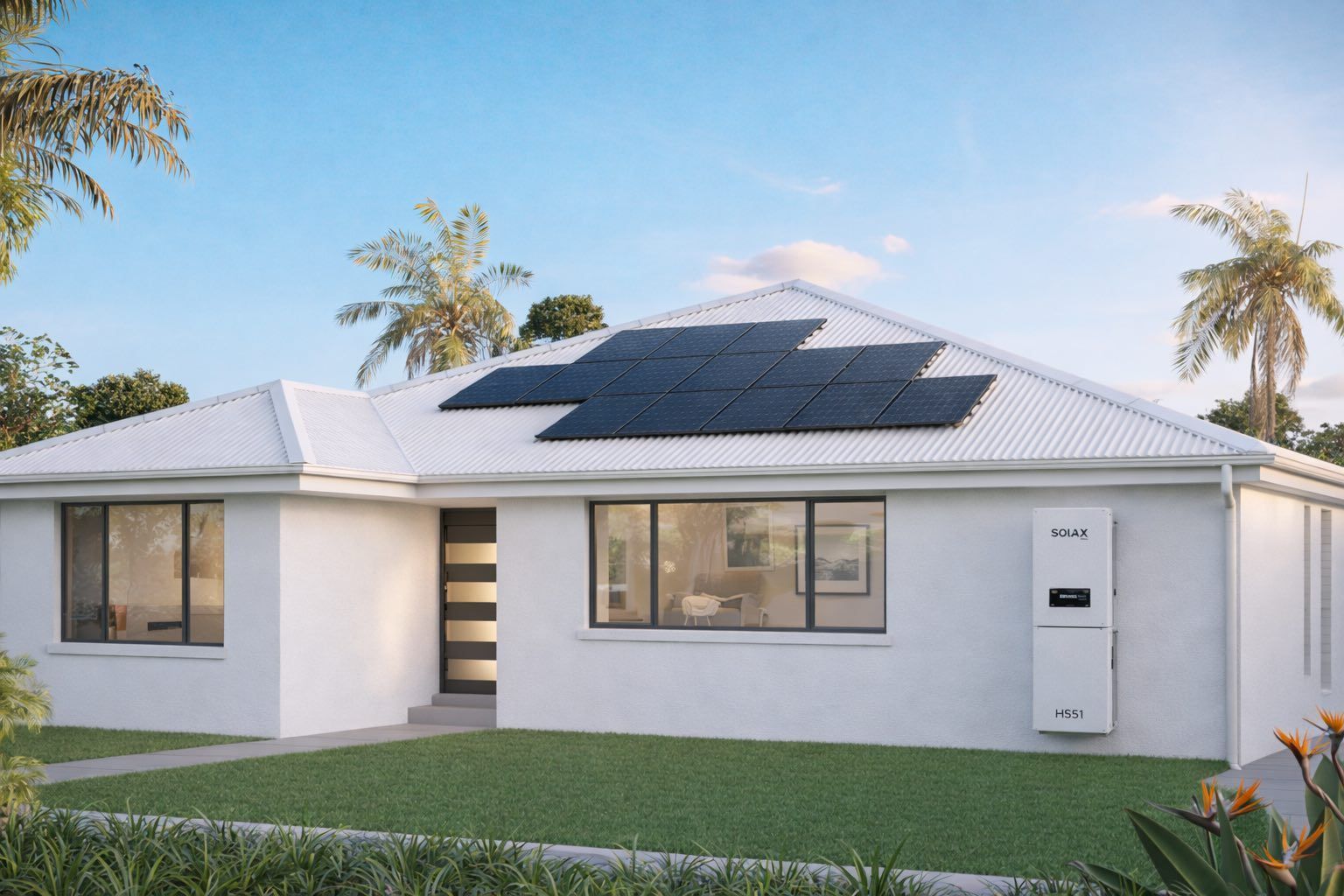
We discuss solar-only, battery-ready and solar-plus-battery options. Some households are better served by installing a suitable SolaX hybrid inverter now and adding compatible storage later when usage, tariffs or budget make the case clearer.
A complete home energy solution considers how solar interacts with the rest of the property. The array, inverter, battery, hot water, pool equipment, air conditioning, EV charging, switchboard and future renovation plans should not be treated as unrelated decisions.
This is especially relevant in Carseldine, where homes may include concrete tile, Colorbond and older metal roofs, often broken into several roof faces by garages, patios and extensions. Panels placed without regard to future roof work, a planned extension or a new patio can create avoidable removal and reinstallation costs.
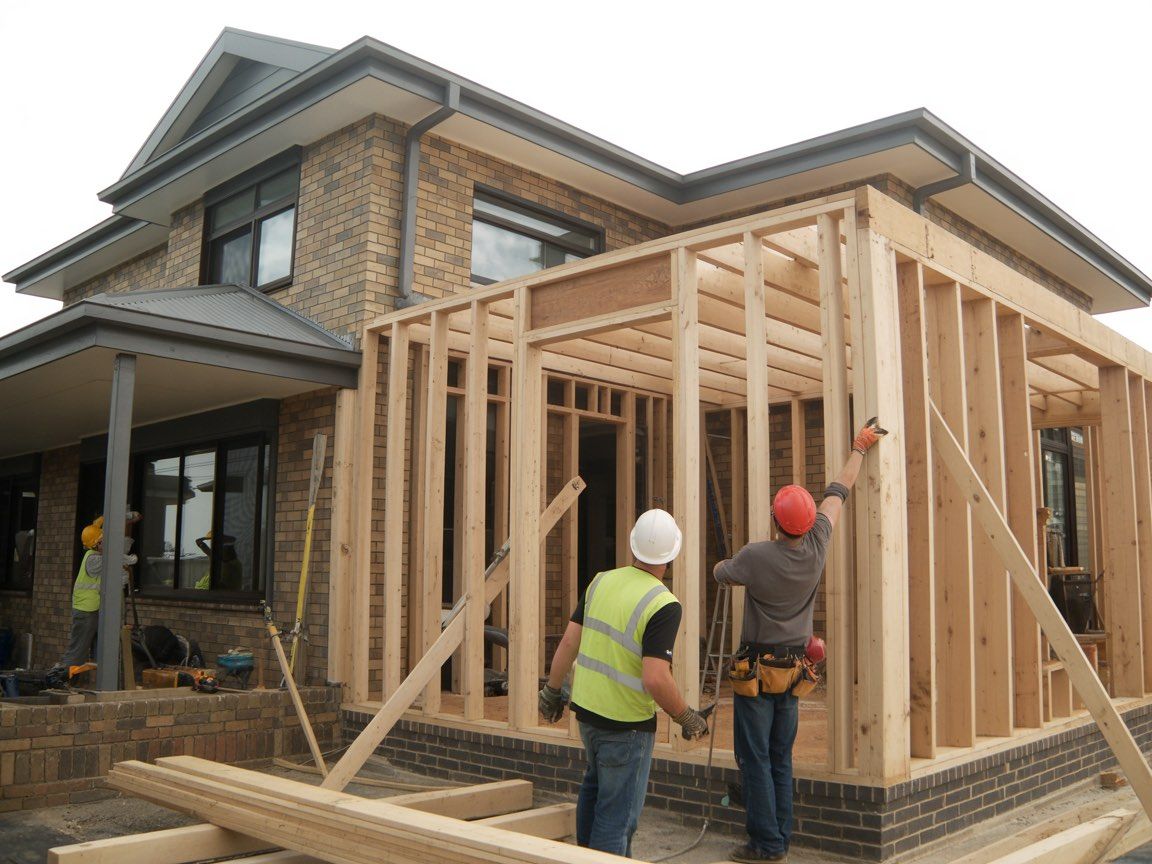
Our building, roofing and solar experience allows us to identify these conflicts early. Where roof repairs or restoration are needed, we can help plan the correct order of work before the solar installation proceeds.
We also discuss practical energy management. Moving suitable loads into daylight hours can improve self-consumption and may reduce the amount of battery capacity a household needs.
Case Study
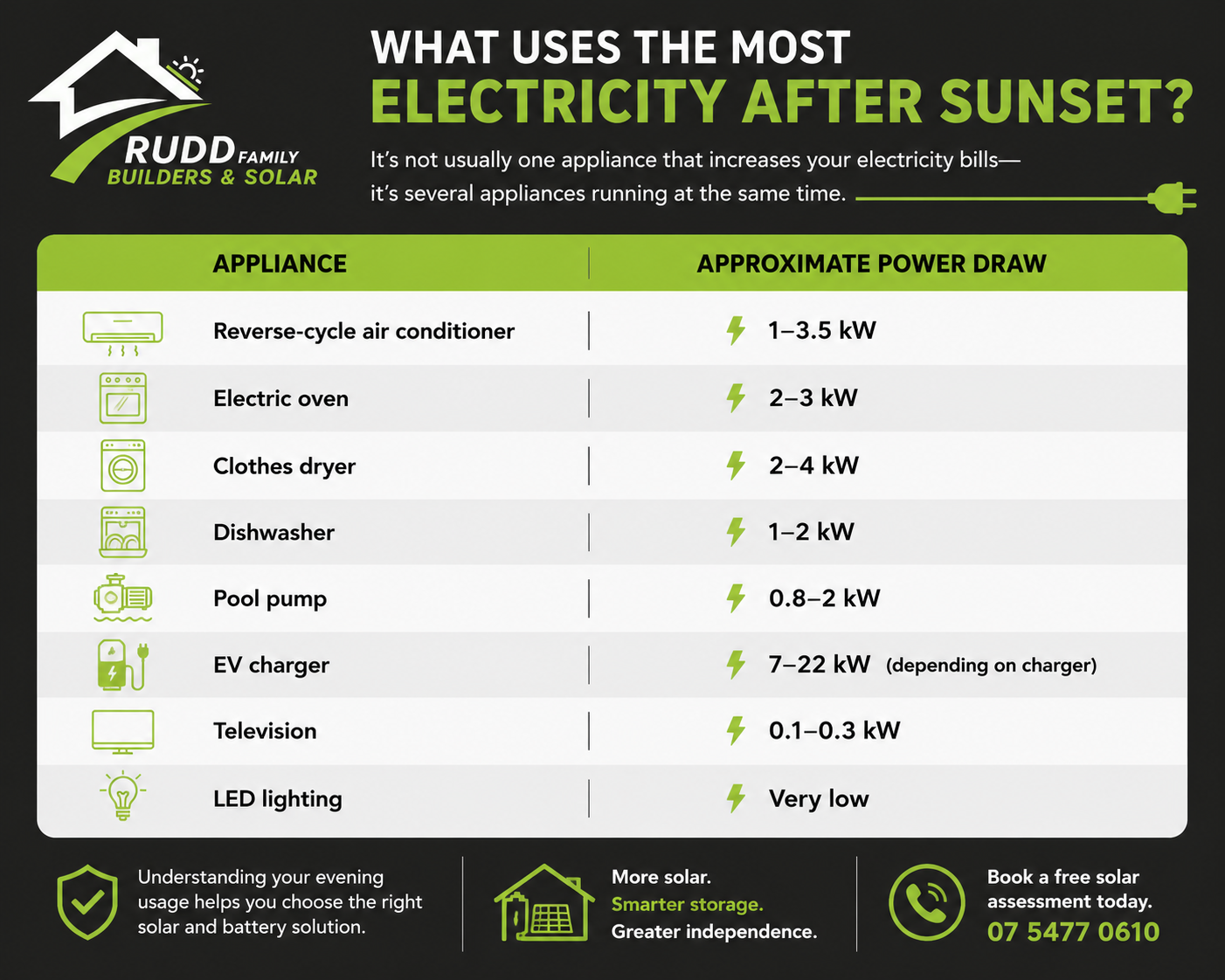
Consider a family in a renovated two-storey home with ducted air conditioning, a pool and one parent working from home several days a week. Their quarterly bill confirms high consumption, but the total does not show whether electricity is being used during solar-producing hours or mainly after sunset.
We would examine interval data where available, inspect the usable roof faces, identify shade and determine whether roof work is needed. We would also discuss flexible loads, future appliances and expected household changes.
A suitable recommendation might be a solar-only system designed for strong self-consumption, a SolaX hybrid inverter ready for a future battery, or solar and storage installed together. The decision would reflect the home's real pattern rather than a generic bedroom-based package.
We would also explain the limitations. Solar output changes with weather and season, and a battery cannot support every high-load appliance indefinitely. Clear expectations are part of sound system design.
Other Ways to SAVE Money
Electric vehicle charging can become one of the largest new loads in a home. Even when an EV is still a future purchase, the likely charger location, charging schedule, available supply and expected kilometres travelled should be considered during solar planning.
Daytime charging can make direct use of solar where the vehicle is at home. Evening charging may increase the value of controlled charging or battery storage, although the battery and inverter must be sized for the intended loads.
Electric hot water may also be scheduled into the solar window where the existing system, tariff and electrical configuration allow it. A timer or suitable control arrangement can help the home consume more of its own generation.
These integrations are planned around the household's routine. We do not assume every homeowner has the same charging pattern, hot water demand or appetite for automation.
Solar Smart EV Charger
Charge your EV with free solar energy
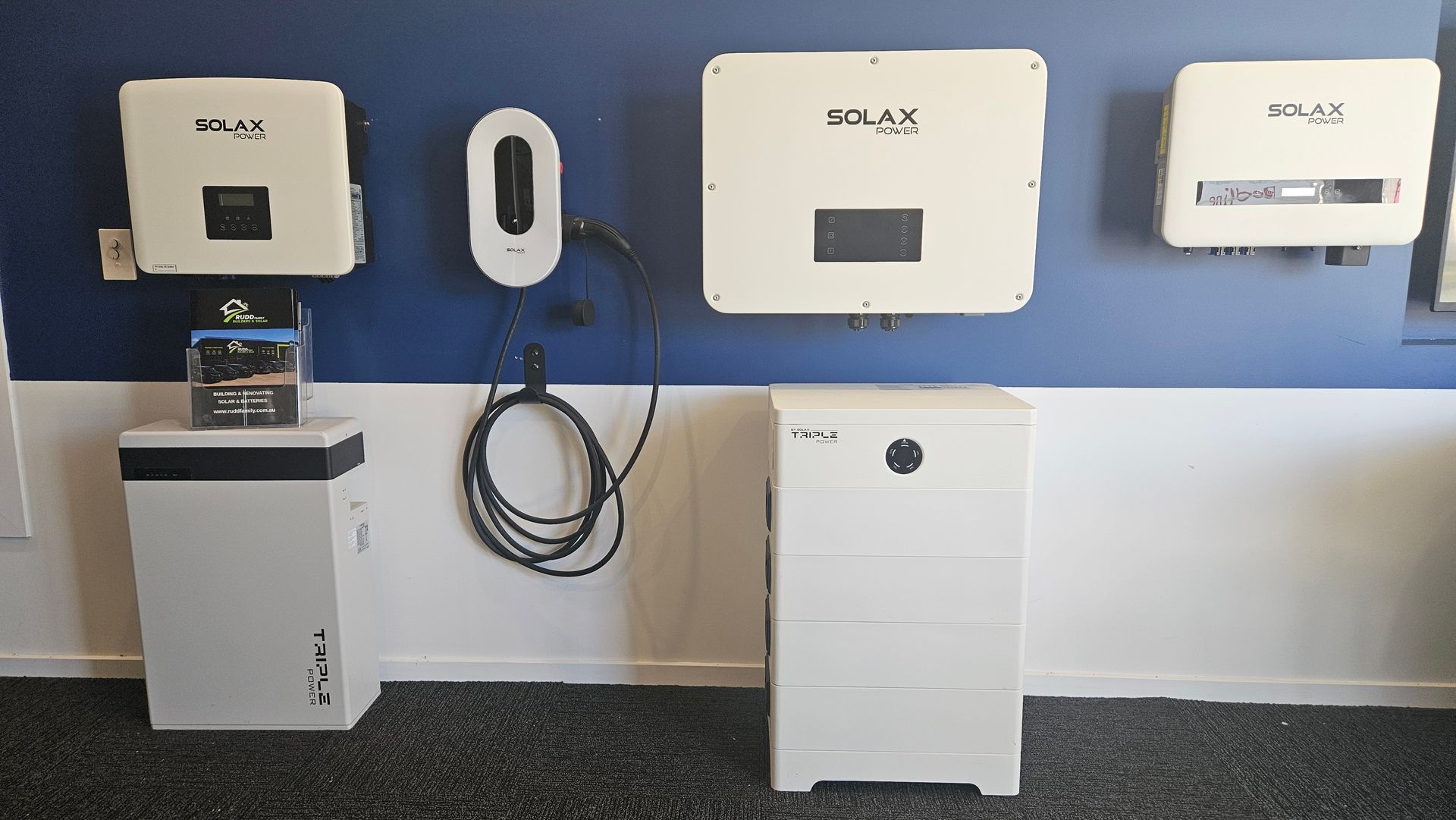
A solar smart charger intelligently directs excess solar energy into charging your electric vehicle during the day, reducing grid reliance and fuel costs. It can prioritise solar charging first, switch between grid and solar when needed, and be scheduled to charge during off-peak or free energy periods.
View Benefits
- Prioritises solar charging to maximise free energy use
- Automatic switching between solar and grid power
- Scheduling for off-peak and free energy windows
- Reduces EV running costs significantly
Hot Water Timer
Heat water during peak solar hours
A solar hot water timer intelligently diverts your excess daytime solar power to heat your hot water tank during peak sun hours. This effectively turns your existing hot water system into a highly cost-effective "thermal battery," eliminating the need to heat water using expensive night-time grid tariff rates.
View Benefits
- Shifts hot water heating to solar production hours
- Reduces reliance on expensive grid electricity
- Simple, cost-effective upgrade
- Works with most electric hot water systems
Why Choose Us?
Rudd Family Builders & Solar gives homeowners seeking solar installers in Carseldine access to a team that understands residential solar, roofing and building. This combined knowledge is valuable because a solar array may remain on the roof for decades while the home continues to be maintained, renovated and upgraded.
- Family-owned South East Queensland business
- More than 22 years established
- More than 39 years of building experience
- Residential solar, roofing and building capability
- LONGi solar panels
- SolaX hybrid inverters and battery systems
- Practical advice about roof condition and future renovations
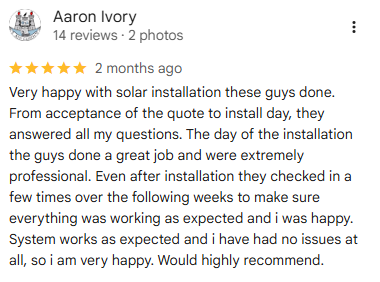
- More than 180 five-star Google reviews
We focus on clear explanations and suitable design rather than pressure-driven package sales. Where a smaller system, staged battery approach or roof-first solution makes more sense, we explain why.
LONGi Solar Panels
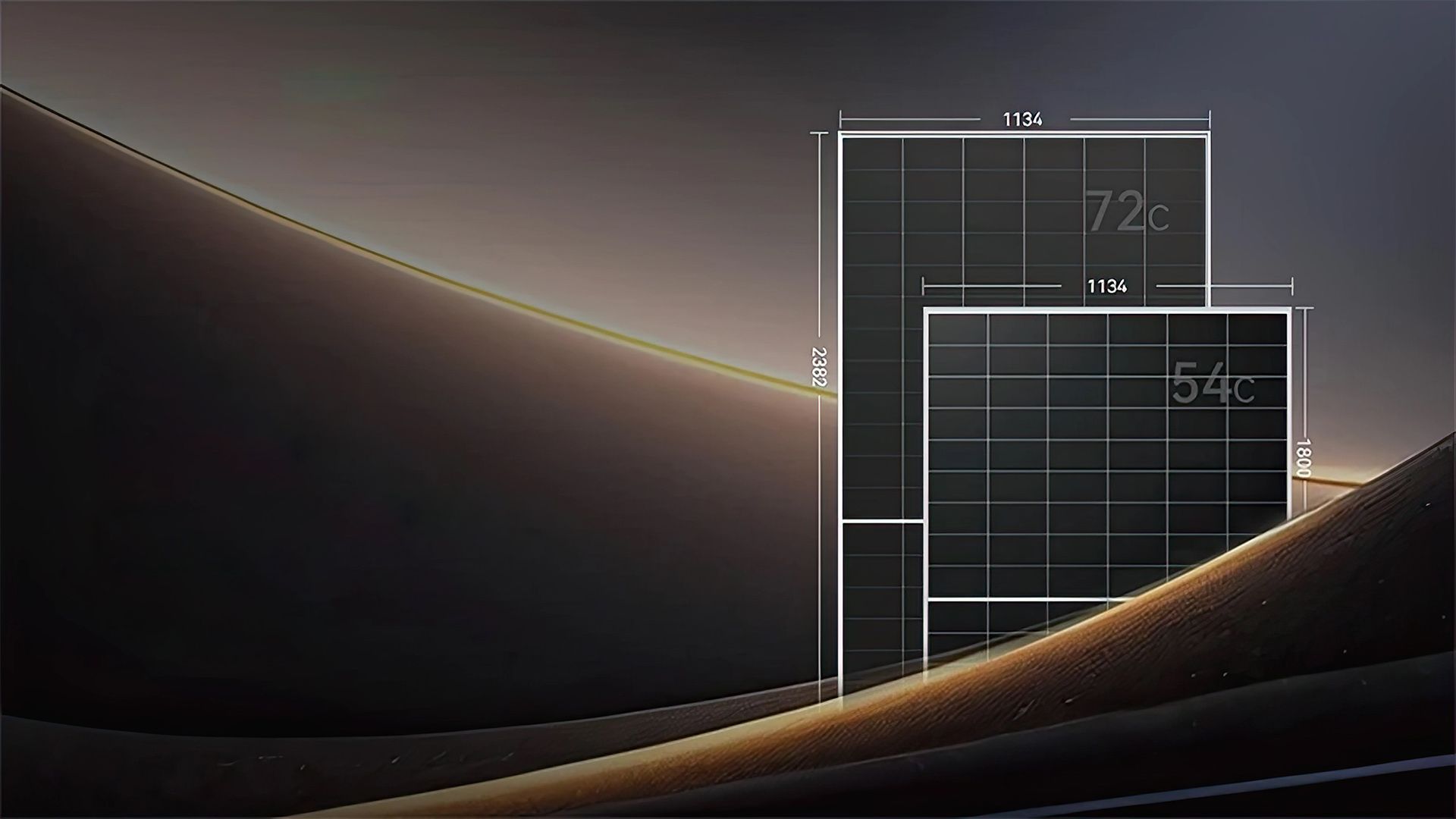
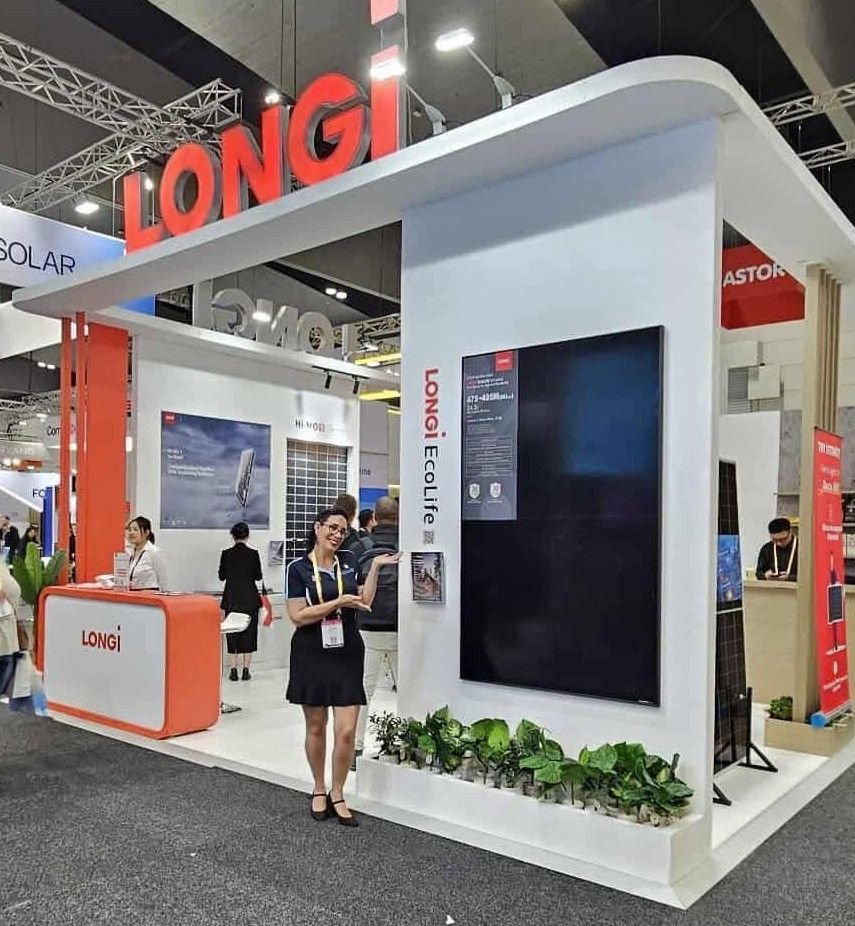
Rudd Family Builders & Solar installs LONGi solar panels for residential projects. We consider panel dimensions, efficiency, warranty support and compatibility with the chosen inverter, but the overall result still depends heavily on design and workmanship.
For homes in Carseldine with concrete tile, Colorbond and older metal roofs, often broken into several roof faces by garages, patios and extensions, panel layout may need to balance several roof faces, shading, access and future maintenance. We do not force a fixed package onto a roof when a different arrangement would better suit the property.
Secure mounting, suitable setbacks, neat cable management and appropriate electrical design are part of a dependable installation. A quality panel should be supported by a system that is practical to operate and service.
SolaX Batteries
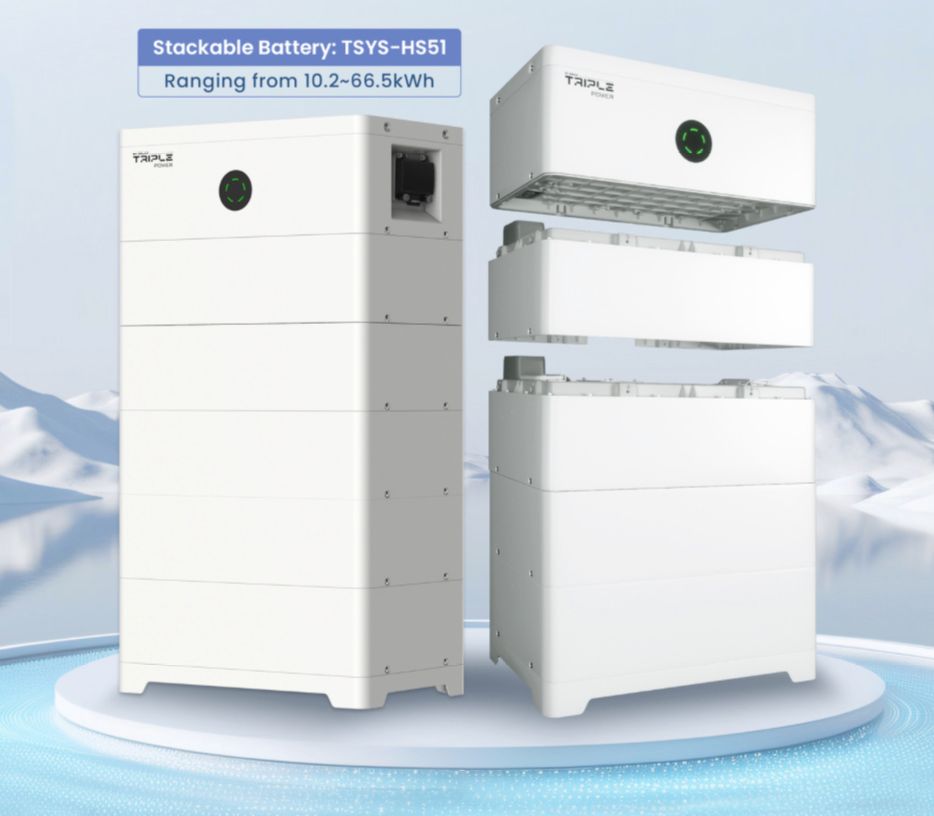
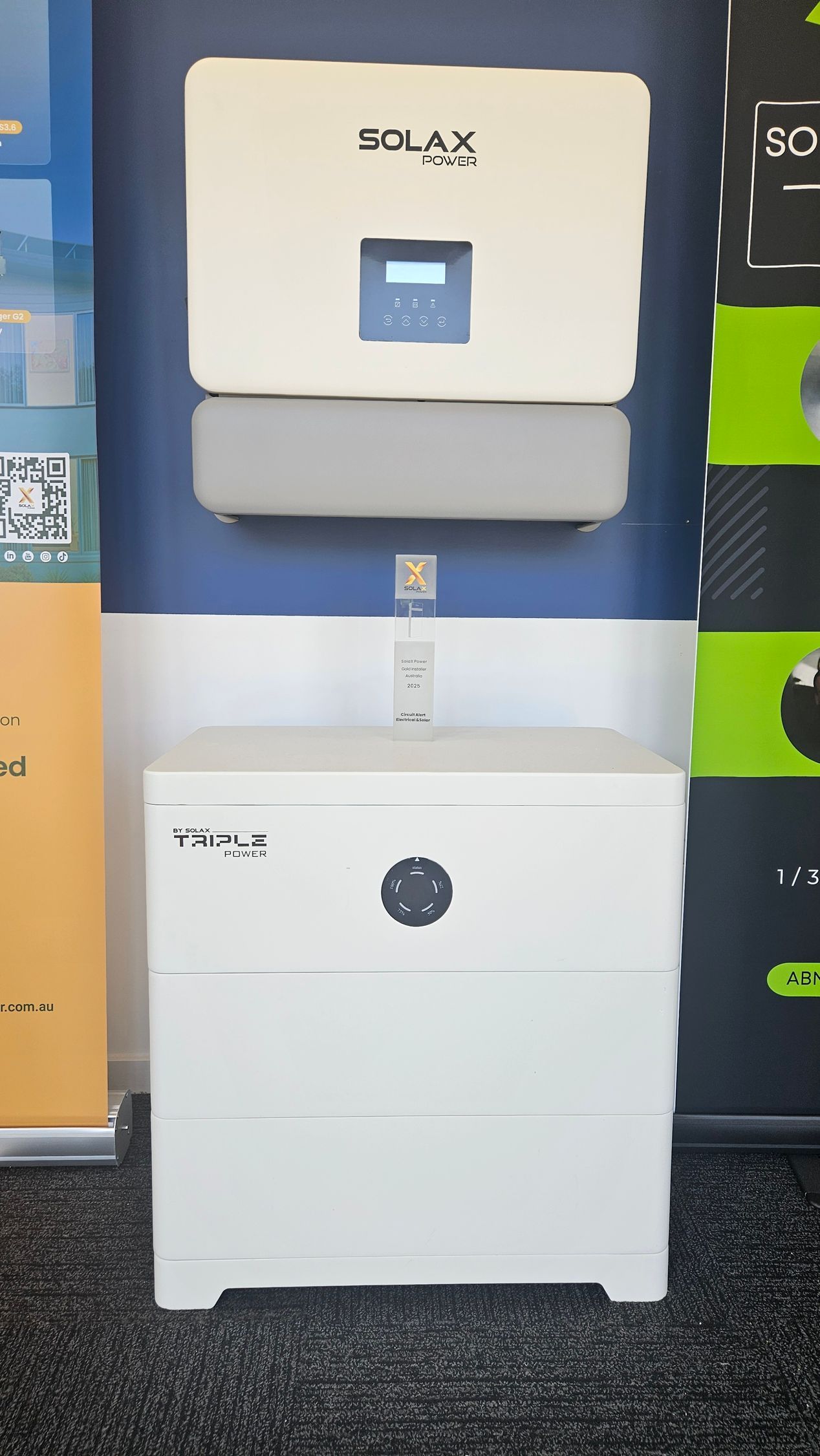
SolaX battery systems can help suitable households store excess daytime solar for later use. They are commonly considered by homeowners with regular evening demand, lower daytime occupancy or a desire to reduce grid imports after sunset.
We explain the difference between nominal capacity and usable capacity, along with charge and discharge limits, monitoring and backup options. Backup supply must be specifically designed and configured; it should not be assumed that every battery installation automatically powers the entire home during an outage.
A SolaX hybrid inverter can also support a staged approach. Homeowners may install solar with battery-compatible equipment first and add storage later, subject to product compatibility and the original design.
The most suitable capacity depends on real consumption and available solar surplus. We use household information rather than selecting a battery purely from the size of the panel array.
Contact Us
Considering solar panels or a home battery in Carseldine? Contact Rudd Family Builders & Solar for a personalised assessment. We will review your roof, electricity use, household plans and suitable system options before making a recommendation.
You will receive practical information about solar size, panel placement, inverter choice, battery readiness and any roof work that should be completed first.
Still Have Questions About Solar?
Buying a solar system is an important investment, and every home is different. We've answered many of the most common questions about solar panels, batteries, energy production, installation, warranties and system design in our comprehensive Solar FAQs.
Our Notebook