

QBCC (15485031)
Everything you need to know about solar panels, batteries, rebates, and installation in Queensland. Can't find your answer? Our friendly team is always happy to help.
Solar & Batteries
FAQ
Rebates & Finance
Take advantage of government incentives and flexible finance options to make solar and battery storage more affordable than ever.
What government rebates are available for solar panels in Queensland?
The Australian Federal Government offers the Small-scale Renewable Energy Scheme (SRES), which provides Small-scale Technology Certificates (STCs) for eligible solar panel systems.
The number of STCs you receive depends on your system size, your location (zone rating), and the number of years remaining until the scheme ends in 2030.
At RuddFamily Builders & Solar, we apply your STC rebate as an upfront point-of-sale discount, so you never have to chase the rebate yourself — the savings are built directly into your quoted price.
Why do solar panel prices change on 1 January each year?
The STC rebate scheme is designed to reduce by one "deeming period" every year on 1 January.
As the scheme winds down toward its 2030 end date, the number of STCs your system is eligible for decreases by one year's worth each January 1st.
This means the upfront rebate value drops slightly every new year. If you're considering solar, locking in your system before 31 December each year ensures you receive the maximum available rebate for that period.
What government rebates are available for home batteries in Queensland?
Queensland homeowners may be eligible for the Queensland Household Battery Scheme, which provides a subsidised loan or rebate to reduce the upfront cost of installing an approved home battery system.
Eligibility criteria apply, including having an existing or new solar system. We can assess your eligibility and guide you through the application process at no extra charge.
Why do battery rebate prices change on 1 April each year?
The Queensland Household Battery Scheme rebate value is reviewed and typically reduces on 1 April each year as the program progresses.
Like the solar STC scheme, the incentive is designed to decrease over time as battery technology becomes more affordable.
Installing before 1 April each year ensures you lock in the highest available subsidy for that program year.
Can I claim both the solar STC rebate AND the battery rebate?
Yes — in most cases you can claim both rebates when installing a solar + battery system together, or when adding a battery to an existing eligible solar system.
This combination can significantly reduce your total system cost.
Our sales team will calculate the exact combined rebate value for your specific system during your quote.
What is a Green Loan and how does it work with solar?
A Green Loan is an environmentally focused finance product offered through our finance partner Handypay.
Green Loans typically offer competitive interest rates specifically for renewable energy purchases like solar panels and battery systems.
Handypay provides flexible repayment terms, and in many cases your loan repayments can be less than your current electricity bill savings — meaning solar can pay for itself from day one.
Ask our team about current Handypay Green Loan rates and terms during your consultation.
How do I apply for finance through Handypay?
Our sales team can initiate a Handypay Green Loan application on your behalf during your consultation or site visit.
The process is straightforward — Handypay assesses your application quickly, and approvals can often be obtained within the same day.
There is no obligation to proceed, and applying does not affect your credit score for an initial assessment.
Is there a minimum system size to qualify for rebates?
For the federal STC scheme, systems up to 100kW are eligible. For the Queensland Battery Scheme, minimum battery capacity requirements apply.
Our team will confirm eligibility for your specific system size during your free quote.
Do rebates apply to system upgrades or panel replacements?
STCs may be available for system upgrades that add new panels to an existing system, depending on the circumstances.
Battery rebates generally apply to new battery installations.
Our team can advise on your specific upgrade scenario.
Solar Panels
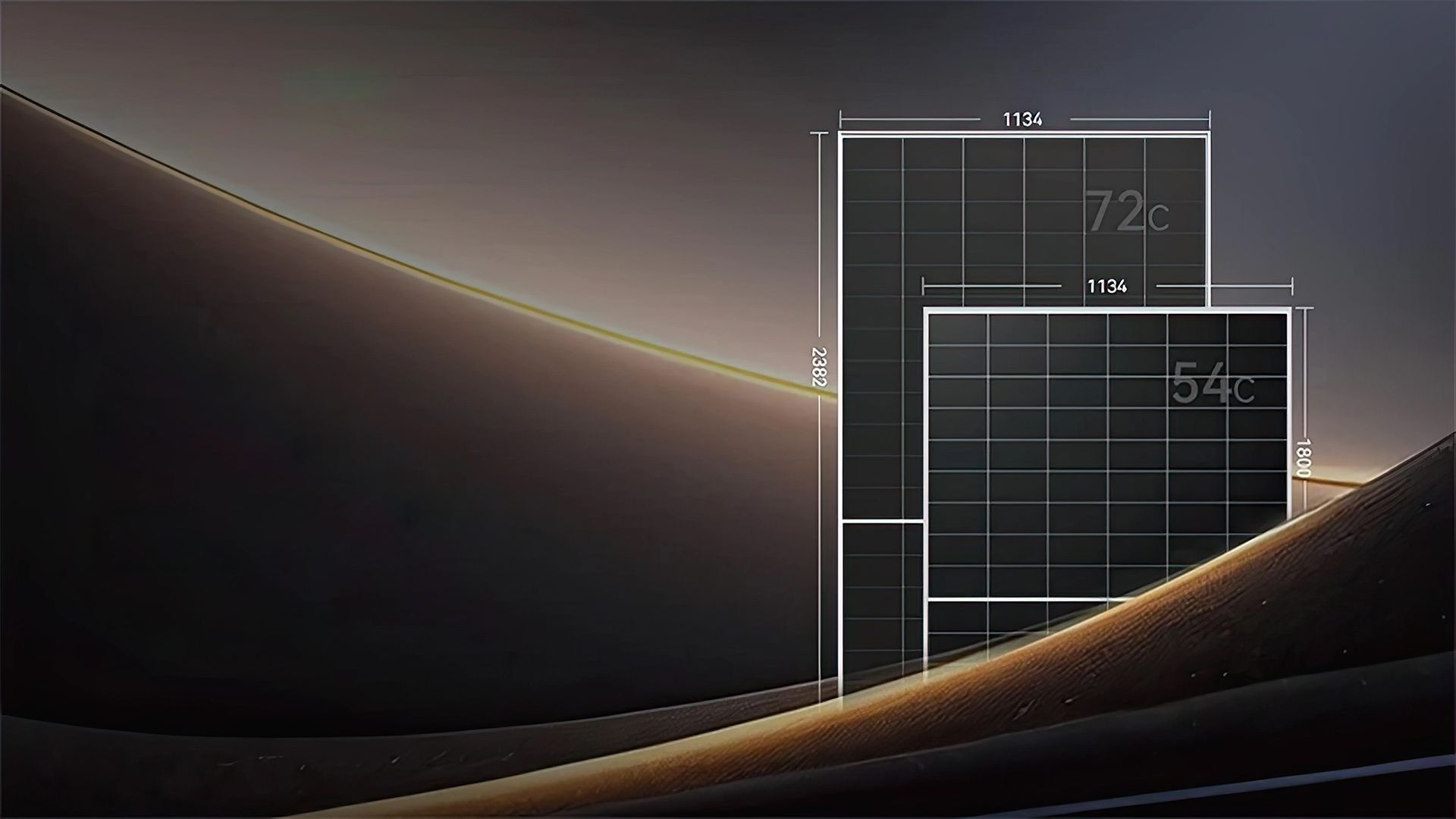
We exclusively install LONGi Hi-MO X10 panels — the world's most advanced residential solar technology, built for Queensland's demanding climate.
What brand of solar panels do we install?
We exclusively install LONGi Hi-MO X10 solar panels — manufactured by LONGi, the world's largest solar panel manufacturer.
These panels use revolutionary HPBC 2.0 (Hybrid Passivated Back Contact) cell technology, delivering 475W output and 24.8% efficiency — among the highest available for residential installations.
Are your solar panels truly hail resistant?
Yes. The LONGi Hi-MO X10 panels feature 3.2mm coated tempered glass on the front surface, which is engineered to withstand significant hail impact.
The panels are tested and certified to international standards including IEC 61215 and IEC 61730, which include hail impact testing.
While no panel can guarantee survival from an extreme hail event, our LONGi panels are among the most robust available for Queensland conditions.
How do your panels handle Queensland's extreme heat?
Heat is one of the biggest performance killers for solar panels.
The LONGi Hi-MO X10 has an industry-leading temperature coefficient of -0.26%/°C — meaning it loses less power as temperatures rise compared to standard panels.
This translates to approximately 3% more power generation in hot Queensland summers compared to standard TOPCon panels.
The panels are rated to operate between -40°C and +85°C.
What is a hotspot and how do your panels prevent it?
A hotspot occurs when one cell in a panel becomes shaded or underperforms, causing it to overheat — sometimes reaching temperatures above 130°C on conventional panels.
This can cause permanent damage and is a fire risk. The LONGi Hi-MO X10's Soft Breakdown Design allows current to bypass shaded cells through alternative internal pathways, reducing hotspot temperatures by up to 28°C compared to conventional panels.
Under identical shading conditions, our panels stay around 80°C while standard TOPCon panels can exceed 130°C.
How do the panels perform on cloudy or overcast days?
The HPBC back contact design of the Hi-MO X10 is specifically optimised for low-light performance, capturing more energy from diffuse light during overcast conditions, early morning, and late afternoon.
This means your system generates meaningful power even on Queensland's occasional cloudy days — not just in direct sunshine.
What warranties come with the solar panels?
The LONGi Hi-MO X10 comes with a 15-year product warranty and a 30-year linear power warranty, guaranteeing at least 88.85% power retention after 30 years.
Annual degradation is rated at just ≤0.35% — among the lowest in the industry.
Rudd Family Builders and Solar also provides local Queensland-based warranty support, so you're never dealing with overseas call centres.
How do the panels handle dust and debris in Queensland?
The Hi-MO X10 features a redesigned frame that allows rainwater to naturally wash away accumulated dust — increasing energy generation by over 10% compared to standard TOPCon panels in dusty conditions.
Queensland's regular rainfall helps keep your panels clean and performing at their best.
What system sizes are available?
We design systems to suit your specific energy needs and roof space.
Our team will assess your electricity usage, roof orientation, shading, and available space during a free site visit to recommend the optimal system size for your home.
Inverters & Batteries
Your inverter and battery are the heart of your solar system. We install quality, approved equipment and follow all Australian safety standards.
Can I install my inverter in the garage?
Yes, in most cases a garage is a suitable location for a solar inverter, provided it meets manufacturer and Australian Standards requirements.
The inverter should be installed in a well-ventilated area, away from direct sunlight and heat sources, and must be accessible for maintenance.
Our accredited installers will assess your garage and recommend the best mounting position during the site visit.
Can I install a home battery in my garage?
This depends on your garage configuration.
Under Australian Standards (AS/NZS 5139) and Queensland regulations, home batteries cannot be installed in a garage that has a habitable dwelling directly above it (e.g., a room above the garage).
This is a strict safety requirement.
If your garage has living space above it, your battery will need to be installed in an alternative approved location such as an external wall, a dedicated battery enclosure, or another suitable area assessed by our installer.
Are there restrictions on where near the house a battery can be installed?
Yes. Under Australian Standards, home batteries must not be installed within 600mm of a window or door opening, and must not be installed in locations that could obstruct emergency egress.
Batteries must also be installed away from ignition sources and in locations with adequate ventilation.
Our CEC-accredited installers are fully trained in these requirements and will identify the safest and most compliant location for your battery during the site visit.
Can a battery be installed inside the garage if there is no habitable space above?
Yes — if there is no habitable dwelling above the garage, a battery can generally be installed inside.
However, if the battery is mounted inside a garage, a yellow bollard (protective post) is typically required in front of the battery to protect it from vehicle impact.
This is a safety requirement to prevent accidental damage from cars reversing.
Our installers will advise on this during your site assessment.
How close should the battery be to the inverter?
Batteries should be installed as close as possible to the inverter to minimise DC cable runs, reduce energy losses, and simplify installation.
Shorter cable runs also reduce costs and improve system efficiency.
Our installers will plan the optimal layout during your site visit to ensure the battery and inverter are positioned as close together as practically possible.
Can I add a battery to my existing solar system? In many cases, yes. Whether a battery can be added depends on your existing inverter type and brand. Some inverters are battery-ready and can be pa
In many cases, yes. Whether a battery can be added depends on your existing inverter type and brand.
Some inverters are battery-ready and can be paired with a battery with minimal additional equipment.
Others may require a hybrid inverter upgrade. Our team will assess your existing system and advise on the most cost-effective upgrade path.
What happens to my battery during a power outage? This depends on the battery and inverter system installed. Some systems provide blackout protection (backup power), automatically switching to battery
This depends on the battery and inverter system installed.
Some systems provide blackout protection (backup power), automatically switching to battery power when the grid goes down.
Others are grid-tied only and will shut down during an outage for safety reasons.
If blackout protection is important to you, let our team know during your consultation so we can recommend an appropriate system.
How long will a home battery last?
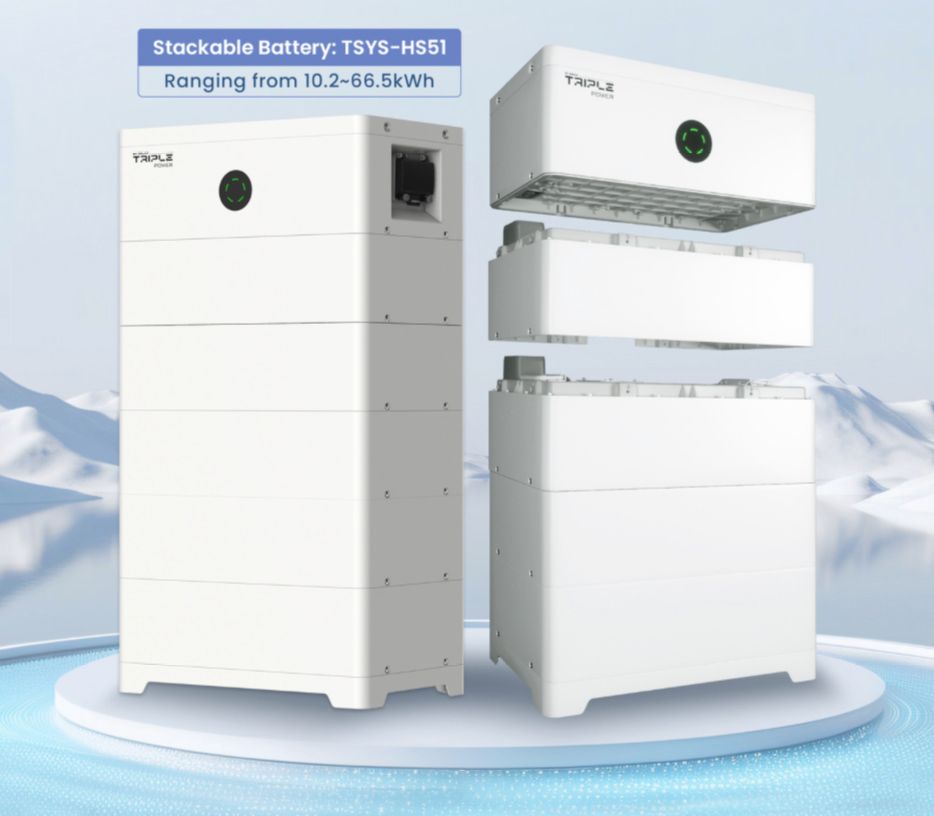
Most quality home batteries are rated for 6,000–10,000 charge cycles and come with warranties of 10 years.
With typical daily cycling, this equates to well over a decade of reliable service.
Battery capacity does degrade slightly over time, similar to a mobile phone battery, but quality batteries retain the majority of their capacity throughout their warranty period.
Is my battery safe from fire?
All batteries we supply are approved under Australian Standards and use LFP (Lithium Iron Phosphate) chemistry where available, which is the safest lithium battery chemistry currently available for home use.
LFP batteries are significantly more thermally stable than older lithium chemistries.
Our installers follow all AS/NZS 5139 requirements for safe installation.
Installation
From booking to switch-on, we make the installation process smooth, professional, and stress-free.
How long does it take from signing up to having solar installed?
Our typical installation timeframe is 2 to 4 weeks from the time you confirm your system and sign your agreement.
This includes time for grid connection approval from your network distributor (Energex or Ergon), equipment procurement, and scheduling your installation crew.
We'll keep you informed throughout the process and confirm your installation date as soon as it's locked in.
Who will install my solar system?
All installations are carried out by our team of CEC-accredited, highly experienced installers — every one of them operating under our QBCC (Queensland Building and Construction Commission) builder's licence.
This means you have the full protection of Queensland's building licence framework behind every installation we complete.
Our team members are seasoned professionals with extensive hands-on experience across Queensland solar and battery installations.
Our CEC accreditation number is A6765680.
How long does the actual installation take on the day?
A standard residential solar installation typically takes one full day (approximately 6–8 hours).
Larger systems or those with battery storage may take 1–2 days.
Our team will give you a realistic timeframe for your specific system during the quoting process.
Do I need to be home during the installation?
We ask that an adult be present at the property at the start and end of the installation day.
You don't need to supervise the work throughout the day, but we'll need access to your switchboard, roof, and the installation area.
Our team will walk you through the completed system at the end of the day.
Will the installation damage my roof?
Our installers use industry-standard roof mounting systems designed to be weatherproof and non-invasive.
All roof penetrations are sealed with appropriate flashing and sealant.
We take great care to protect your roof during installation, and our workmanship is backed by our installation warranty.
What happens after installation — how do I connect to the grid?
After installation, we handle the grid connection application to your network distributor (Energex or Ergon Energy) on your behalf.
Once approved, your system will be switched on and you'll begin generating solar power.
You will need to notify your electricity retailer so your feed-in tariff (if applicable) can be set up.
We can help you with this or advise of the best retailer and plan at time of call.
Do you install on all roof types?
We install on most common Queensland roof types including Colorbond, Zincalume, terracotta tile, concrete tile, and corrugated iron.
Our team will assess your roof during the site visit and advise on any specific requirements or considerations for your roof type.
What areas do you service?
We service the Gympie Region, Sunshine Coast, Brisbane, and Gold Coast.
If you're unsure whether we cover your area, give us a call on (07) 5493 0133 and we'll confirm.
Hot Water & Smart Energy Management
Get even more from your solar system by intelligently managing your hot water and other high-energy appliances.
Can I use my solar power to heat my hot water?
Absolutely — your hot water system is typically one of the largest energy consumers in your home, often accounting for 25–30% of your electricity bill.
By installing a hot water timer or solar diverter, you can schedule your hot water system to run during peak solar generation hours (typically 10am–3pm), using free solar energy instead of grid power.
What is a hot water timer and how does it work?
A hot water timer is a simple device installed on your hot water system's circuit that schedules your hot water heating to run during daylight hours when your solar panels are generating power.
Instead of your hot water system heating water at night using expensive grid electricity, it heats water during the day using your free solar energy.
This is one of the most cost-effective ways to maximise your solar savings.
What is a solar diverter / smart hot water controller?
A solar diverter (sometimes called a solar hot water controller or power diverter) is a more advanced device that automatically detects when your solar system is producing excess power and diverts that surplus energy to your hot water system in real time.
Rather than exporting excess solar to the grid at a low feed-in tariff rate, the diverter uses it to heat your water — maximising your self-consumption and savings.
What is a Solar Smart Charger?
A Solar Smart Charger is a device that allows you to charge your electric vehicle (EV) or other high-draw devices using surplus solar power.
It monitors your solar generation and home consumption in real time, automatically adjusting the charge rate to use excess solar energy first before drawing from the grid.
This is ideal for EV owners who want to charge their car for free using solar power.
Can I monitor my solar system's performance?
Yes. Most modern inverters come with built-in monitoring via a smartphone app or web portal, allowing you to track your solar generation, home consumption, battery state of charge, and grid import/export in real time.
Our team will set up your monitoring app during the installation handover.
Can I set my appliances to run during solar hours?
Yes — beyond hot water timers, we recommend programming dishwashers, washing machines, pool pumps, and other high-energy appliances to run during peak solar hours.
Combined with a hot water timer and smart monitoring, this can dramatically increase your solar self-consumption and reduce your electricity bills.
Aftercare & Support
Our relationship doesn't end at installation. We're a Queensland family business and we stand behind every system we install.
What after-sales support do you provide?
As a Queensland-based family business, we provide ongoing local support for all systems we install.
If you have questions about your system's performance, need help with your monitoring app, or have a warranty concern, you can call us directly on (07) 5493 0133 or email us.
You'll always speak to a real person who knows your system — not an overseas call centre.
What warranties cover my system?
• Your system is covered by multiple warranties: Solar Panels: 15-year product warranty + 30-year power warranty (LONGi)
• Inverter: Manufacturer warranty (typically 5–10 years depending on brand)
• Battery: Manufacturer warranty (typically 10 years)
• Installation Workmanship: Rudd & Son Solar installation warranty.
Our team will provide you with full warranty documentation at the time of installation.
What should I do if my system stops working or I notice reduced output?
First, check your inverter display or monitoring app for any fault codes or alerts. If you can't identify the issue, contact us directly.
Our team can often diagnose issues remotely via your monitoring system. If a physical inspection or repair is needed, we'll schedule a service visit.
Do not attempt to work on your solar system yourself — always contact a qualified installer.
How often should my solar system be serviced?
We recommend a professional inspection every 2–5 years to check panel condition, mounting hardware, wiring, and inverter performance.
Regular visual checks by the homeowner (looking for obvious damage, shading from new growth, or soiling) are also recommended.
Queensland's weather can be tough on equipment, so periodic checks help ensure your system continues to perform optimally.
What if a panel is damaged by hail or storm?
Contact us as soon as possible.
Depending on the nature of the damage, repairs may be covered under the panel product warranty or your home and contents insurance.
We can provide documentation and assessments to support insurance claims.
Our local team can arrange replacement panels and repairs promptly.
Can I expand my system in the future?
In many cases, yes.
Adding more panels or a battery to an existing system is possible, subject to your inverter's capacity, roof space, and network connection limits.
Contact our team to discuss your upgrade options — we'll assess your existing system and advise on the best path forward.
Do you offer a referral program?
We love referrals!
As a family business built on trust and word-of-mouth, we truly appreciate customers who recommend us to friends and family.
Ask our team about our current referral arrangements when you speak with us.
Sales & Quotes
Our friendly, knowledgeable sales team is here to help you make the right decision for your home and budget — with no pressure, ever.
How do I get a quote?
You can request a quote by: Calling us on (07) 5493 0133
Emailing us at solar@ruddfamily.com.au; Completing the Book a Site Visit form on our website.
Our team will arrange a free, no-obligation site visit to assess your roof, review your electricity bills, and provide a detailed personalised quote.
Can I get an on-the-spot quote?
In many cases, yes! Our sales staff are highly knowledgeable and may be able to provide an indicative on-the-spot quote during your initial consultation or site visit, depending on the complexity of your system.
A full detailed written quote will always follow.
Is the site visit really free and no obligation?
Absolutely. There is no cost and no obligation for a site visit or quote.
We believe in letting our products, expertise, and reputation speak for themselves — we'll never pressure you into a decision.
How knowledgeable is your sales team?
Our sales staff are trained solar professionals, not commission-only salespeople.
They understand the technical aspects of solar systems, rebates, finance options, and installation requirements.
They'll give you honest, straightforward advice tailored to your home and energy needs.
What information should I have ready for my quote?
It helps to have a recent electricity bill available (showing your daily usage in kWh), your property address, and an idea of your budget and goals (e.g., reduce bills, add battery backup, charge an EV).
The more information you can share, the more accurate and tailored your quote will be.
Our friendly Queensland-based team is here to help. Get in touch for a no-obligation chat about your solar and battery needs.